Discover how a strategic approach to heart healthy eating, focusing on proactive planning and sustainable habits, can transform your cardiovascular health for life.
Emily CarterNutrition and Wellness ExpertAugust 14, 2026
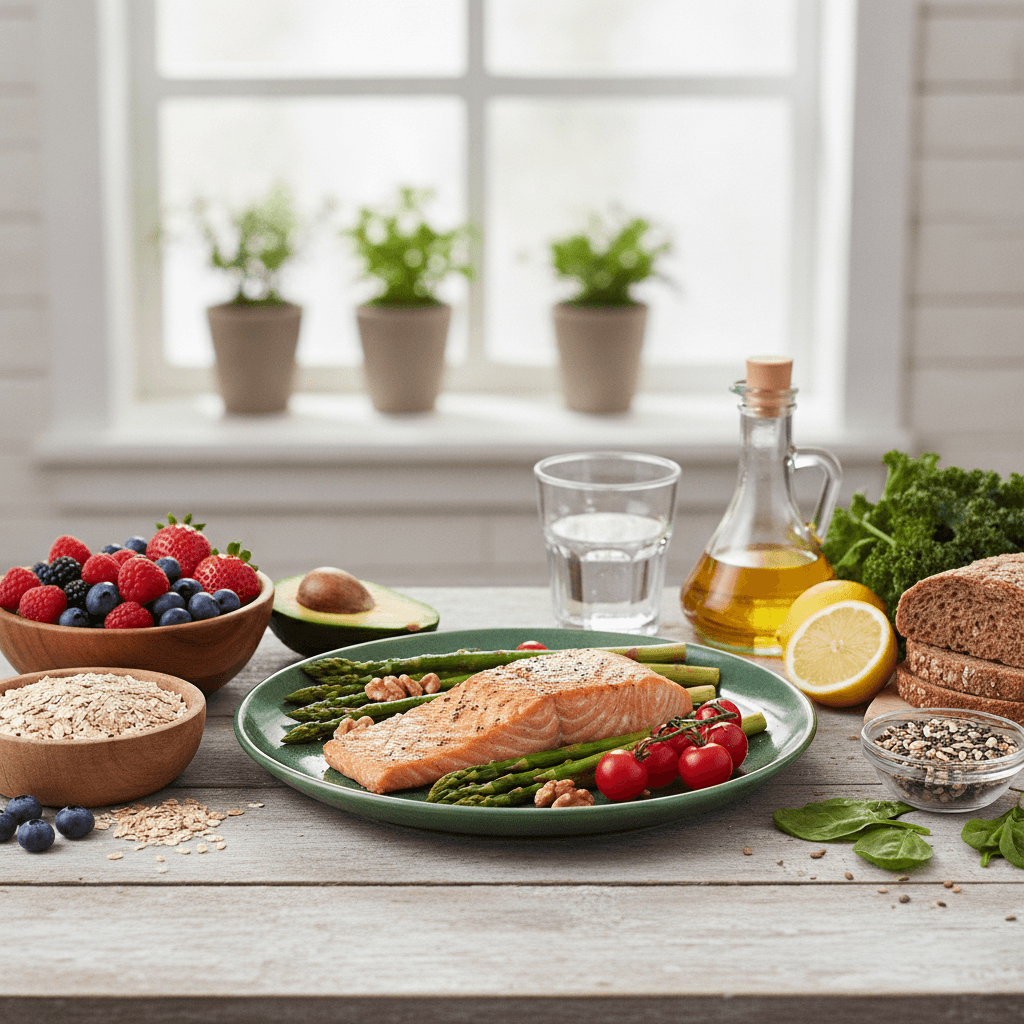
Heart healthy eating is a dietary approach that prioritizes whole, nutrient-dense foods to reduce cardiovascular disease risk factors. It emphasizes fruits, vegetables, whole grains, lean proteins, and healthy fats, while limiting saturated and trans fats, added sugars, and excessive sodium. This strategy supports optimal cholesterol levels, blood pressure, and inflammation control, fostering long-term cardiovascular wellness through consistent, informed food choices.
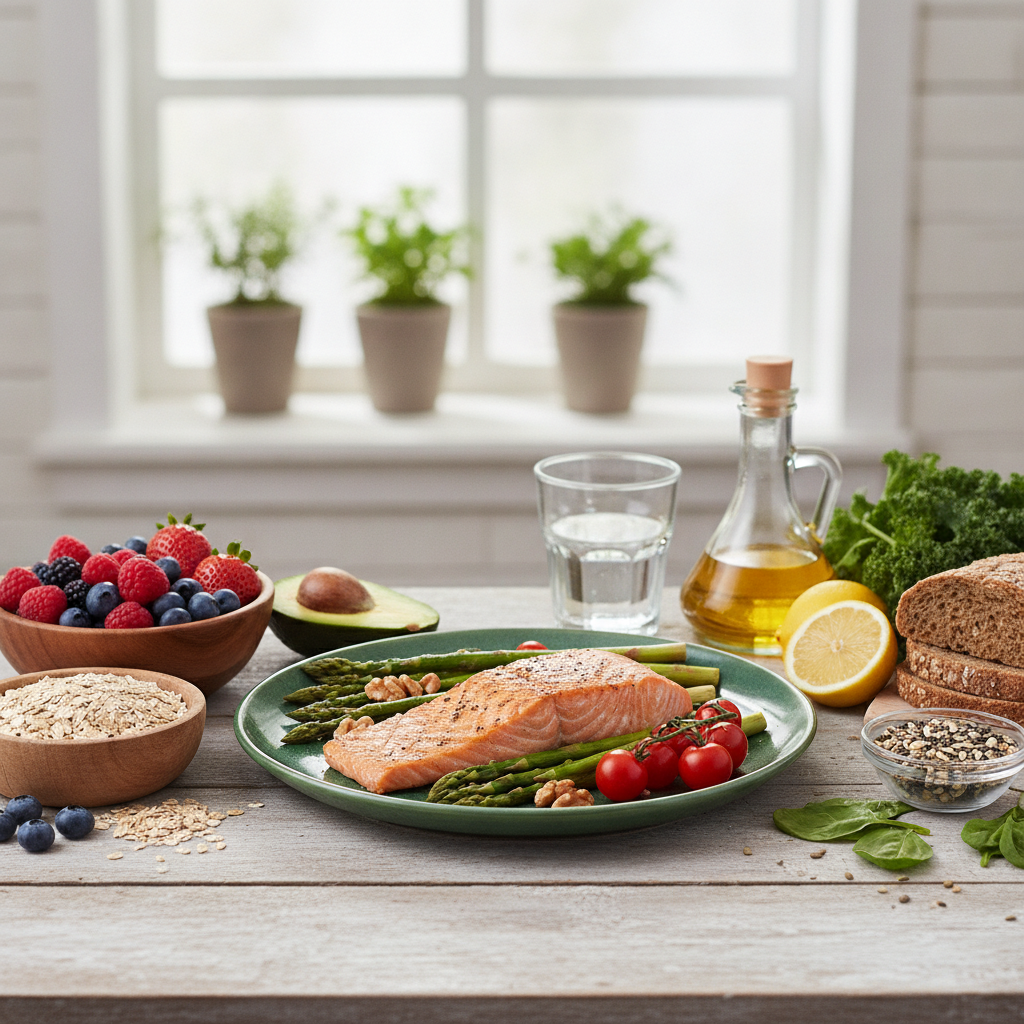
Heart healthy eating is a comprehensive dietary approach designed to support cardiovascular health by reducing risk factors such as high cholesterol, high blood pressure, and inflammation. This involves prioritizing whole, unprocessed foods rich in nutrients, fiber, and healthy fats, while limiting saturated and trans fats, added sugars, and excessive sodium intake. As Emily Carter, Nutrition and Wellness Expert at HealthyMealPlate.com, emphasizes from her extensive background in dietetics, achieving optimal heart health isn't about restrictive fad diets but about embracing sustainable, strategic planning that fits into the rhythm of everyday life. This guide will help you master “The Strategic Plate,” turning proactive choices into lasting wellness, catering specifically to everyday adults seeking practical guidance for themselves and their families.
Understanding the core components of nutrition is crucial for cultivating a truly heart-healthy diet. Instead of categorizing foods as simply “good” or “bad,” a more nuanced approach focuses on nutrient density, processing levels, and the overall balance of your intake. This foundational knowledge empowers individuals to make informed choices that consistently support cardiovascular wellness.
Macronutrients—fats, carbohydrates, and proteins—provide the bulk of our energy and are vital for various bodily functions, including heart health. The type and quality of these macronutrients significantly impact their effect on your cardiovascular system. For example, not all fats are created equal, and distinguishing between them is paramount.
Fats: The Truth About Dietary Fats
Dietary fats play a complex role in heart health. Monounsaturated fats (MUFAs) and polyunsaturated fats (PUFAs), found in olive oil, avocados, nuts, and fatty fish, are considered beneficial. These fats can help reduce LDL (“bad”) cholesterol levels and provide essential omega-3 fatty acids, which are crucial for reducing inflammation and supporting heart rhythm (Source: American Heart Association, 2023). The American Heart Association recommends that the majority of your fat intake come from these healthier sources.
Conversely, saturated fats, predominantly found in red meat, butter, and full-fat dairy, should be consumed in moderation, as they can raise LDL cholesterol. Trans fats, often found in highly processed foods and some fried items, are particularly detrimental to heart health, elevating LDL cholesterol while lowering HDL (“good”) cholesterol. The FDA banned most artificial trans fats from food production in 2018, significantly reducing their presence in the food supply (Source: FDA, 2018), but vigilance in reading labels remains important.
Carbohydrates: Whole Grains vs. Refined
Carbohydrates are the body’s primary energy source, but their impact on heart health varies greatly depending on their type. Whole grains, such as oats, brown rice, quinoa, and whole wheat, are rich in fiber, which helps lower cholesterol, stabilize blood sugar levels, and promote satiety. A diet high in fiber is associated with a reduced risk of heart disease (Source: National Institutes of Health, 2022).
Refined carbohydrates, found in white bread, pastries, and sugary drinks, have been stripped of their fiber and nutrients. They cause rapid spikes in blood sugar, contributing to inflammation and increasing the risk of type 2 diabetes and heart disease. Prioritizing complex carbohydrates from whole, unprocessed sources is a cornerstone of heart healthy eating.
Proteins: Lean Sources and Plant-Based Power
Protein is essential for building and repairing tissues, including heart muscle. Lean protein sources, such as poultry, fish, legumes, and lean cuts of meat, are preferred. Plant-based proteins, including beans, lentils, tofu, tempeh, and nuts, offer the added benefit of fiber and various micronutrients, often with less saturated fat than animal proteins. Incorporating a variety of protein sources ensures a broad spectrum of nutrients while keeping saturated fat intake in check.
Beyond the macronutrients, a host of micronutrients (vitamins and minerals) and phytochemicals play critical roles in protecting your heart. These compounds, often found in vibrant fruits, vegetables, and whole grains, work synergistically to reduce oxidative stress, inflammation, and maintain healthy blood vessel function.
Key Vitamins and Minerals
Potassium, found abundantly in bananas, spinach, and sweet potatoes, helps regulate blood pressure by counteracting the effects of sodium. Magnesium, present in leafy greens, nuts, and whole grains, supports healthy heart rhythm and muscle function. Calcium is crucial for blood clotting and blood vessel function, while Vitamin D plays a role in reducing inflammation and blood pressure (Source: Harvard Health Publishing, 2021). Ensuring adequate intake of these minerals through a varied diet is more effective than relying on supplements alone.
Antioxidants and Anti-inflammatory Compounds
Fruits and vegetables are powerhouse sources of antioxidants like Vitamin C, Vitamin E, and beta-carotene, which protect cells from damage caused by free radicals. Phytochemicals, such as flavonoids in berries and grapes, and lycopene in tomatoes, possess potent anti-inflammatory properties that can reduce the risk of atherosclerosis. A diverse intake of colorful produce guarantees a wide array of these protective compounds, demonstrating the value of a varied and colorful diet for heart health.
True heart healthy eating is not just about knowing what to eat; it’s about strategically integrating those choices into your daily life. This proactive approach, which Emily Carter has seen transform countless clients, moves beyond reactive dietary restrictions to establish sustainable habits. It’s about building a system that supports your health goals without constant willpower battles, making healthy choices the default rather than the exception.
Many people embark on heart-healthy eating journeys with enthusiasm, only to find themselves falling back into old habits. This often stems from a reactive approach, where individuals focus on what they *can't* have or try to make healthy choices on the fly without a clear plan. This creates a psychological burden of restriction and decision fatigue, which is unsustainable in the long term.
From Emily Carter’s experience working with families, the biggest hurdle isn't a lack of knowledge, but a lack of practical strategy. When life gets busy, convenience often trumps health. Traditional diets, with their rigid rules and temporary mindsets, fail to address the behavioral economics of food choices in real-world scenarios. Our goal is to shift from a mindset of deprivation to one of empowerment through strategic foresight.
Meal planning is arguably the single most effective strategy for consistent heart healthy eating. It transforms the overwhelming task of daily food decisions into a manageable weekly exercise. The benefits extend far beyond nutrition, encompassing reduced stress, significant cost savings by minimizing food waste, and ensuring a balanced intake of nutrients.
For families managing busy schedules, a structured meal plan eliminates the “what’s for dinner?” dilemma, which often leads to less healthy takeout options. HealthyMealPlate.com’s free meal planner is designed specifically for this purpose, turning household preferences into a week of meals and a single grocery list, streamlining the entire process. This tool is a prime example of how technology can support proactive health management.
A well-stocked kitchen is the foundation of a heart-healthy home. By strategically filling your pantry, refrigerator, and freezer with nutritious staples, you make healthy cooking convenient and spontaneous. This proactive step ensures that when hunger strikes, healthy ingredients are readily available, minimizing the temptation to opt for less healthy alternatives.
Essential Heart-Healthy Staples:
Whole grains: Oats, quinoa, brown rice, whole wheat pasta.
Legumes: Canned or dried beans, lentils, chickpeas.
Nuts and seeds: Almonds, walnuts, chia seeds, flaxseeds (unsalted).
Healthy oils: Olive oil, avocado oil.
Frozen produce: Berries, spinach, broccoli, mixed vegetables (ideal for quick meals).
Lean proteins: Canned tuna/salmon, frozen chicken breast, tofu.
Herbs and spices: To flavor dishes without excess sodium.
By focusing on these versatile ingredients, you can prepare a vast array of heart-healthy meals. Conversely, identifying and avoiding common pitfalls like ultra-processed snacks, sugary drinks, and convenience foods high in unhealthy fats and sodium is equally important. Regularly purging these items from your kitchen creates an environment conducive to sustained heart health.
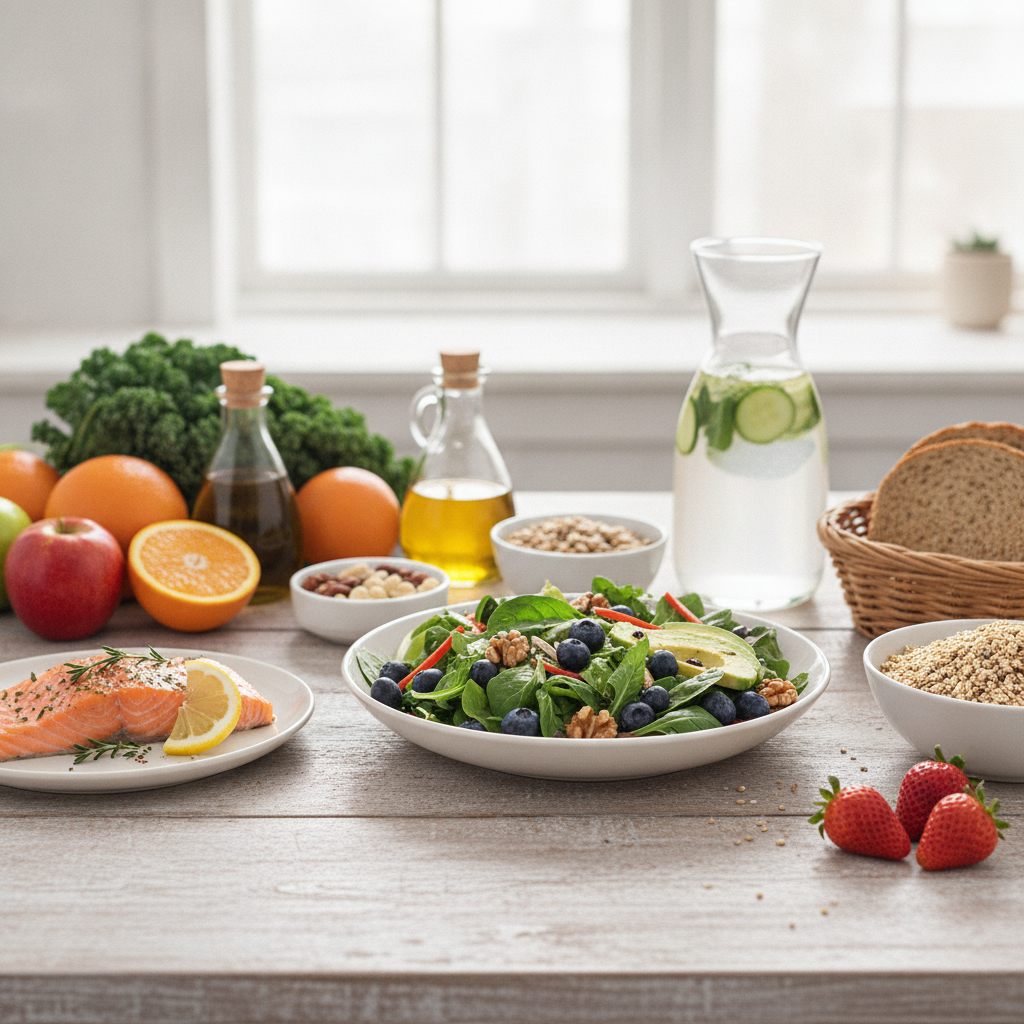
Adopting heart healthy eating habits requires more than just knowing what to eat; it demands practical strategies for navigating the complexities of modern food environments. From deciphering food labels to making smart choices when dining out, these actionable tips empower individuals to consistently support their cardiovascular health amidst daily challenges.
Food labels are powerful tools, but they require understanding. Learning to quickly identify key heart-health indicators can transform your grocery shopping. Focus on these critical components when reading nutrition facts and ingredient lists:
Sodium: High sodium intake is a major contributor to high blood pressure. Aim for foods with less than 140 mg of sodium per serving. The average American consumes about 3,400 mg of sodium per day, significantly higher than the recommended 2,300 mg (Source: CDC, 2024).
Added Sugars: These contribute to weight gain, inflammation, and increased risk of heart disease. Look for foods with minimal or no added sugars. Ingredients like high-fructose corn syrup, sucrose, and dextrose indicate added sugars.
Saturated and Trans Fats: Prioritize products with low saturated fat and zero trans fats. Remember, even if a label says “0g trans fat,” if partially hydrogenated oils are in the ingredient list, it may contain small, still unhealthy, amounts.
Fiber: Aim for at least 3-5 grams of fiber per serving for grains and other carbohydrate-rich foods. Fiber helps lower cholesterol and promotes digestive health.
Serving Sizes: Always check the serving size and the number of servings per container. Nutritional information is based on a single serving, so if you eat more, you multiply the values accordingly.
Becoming proficient at label reading allows you to bypass misleading marketing claims and make choices based on factual nutritional content. This skill is indispensable for sustained heart healthy eating.
Dining out and social gatherings can pose significant challenges to heart-healthy eating. However, with a few strategic approaches, you can enjoy these occasions without derailing your progress.
Restaurant Choices: Opt for restaurants that offer a variety of fresh, whole foods, such as grilled proteins, salads, and vegetable-based dishes. Review menus online beforehand to plan your meal.
Portion Control: Restaurant portions are often oversized. Consider sharing an entrée, ordering an appetizer as your main, or asking for a to-go box immediately to pack half your meal.
Ordering Smart: Ask for dressings and sauces on the side, choose grilled or baked options instead of fried, and don't hesitate to request vegetable substitutions for fries or other less healthy sides. Water should be your primary beverage choice.
Social Gatherings: Bring a heart-healthy dish to share, so you know there's at least one good option. Eat a small, healthy snack before you go to curb extreme hunger, and focus on socializing rather than solely on the food.
Emily Carter often advises her clients that consistency, not perfection, is the key. Occasional indulgences are acceptable when balanced with consistent healthy habits. The goal is to make informed decisions that align with your long-term heart health objectives.
Proper hydration and strategic snacking are vital, yet often overlooked, components of heart healthy eating. Water is essential for maintaining blood volume, regulating body temperature, and transporting nutrients, all of which indirectly support cardiovascular function.
The Importance of Water: Aim for at least 8 glasses of water daily, adjusting for activity level and climate. Sugary drinks, fruit juices (even 100% juice), and sweetened teas contribute to added sugar intake and should be limited. Plain water, unsweetened tea, or sparkling water with a slice of lemon are excellent choices.
Smart Snack Options: Snacking can be a powerful tool to manage hunger and boost nutrient intake between meals, preventing overeating at main meals.
Opt for nutrient-dense snacks such as a handful of unsalted nuts, fresh fruit (like an apple or berries), vegetable sticks with hummus, or plain Greek yogurt. These choices provide fiber, protein, and healthy fats, contributing to satiety and overall heart health. Avoiding highly processed snack foods high in sodium, sugar, and unhealthy fats is crucial for maintaining a heart-healthy eating pattern.
The landscape of nutrition advice is often muddled with myths and outdated information, making it challenging for individuals to discern accurate guidance for heart healthy eating. Dispelling these common misconceptions is crucial for empowering people to make truly informed decisions that benefit their cardiovascular health.
For decades, the prevailing dietary advice emphasized a low-fat approach for heart health. However, this perspective has evolved significantly with new research. The definitive statement is that *not all fats are created equal*, and a blanket low-fat strategy can be detrimental. Many low-fat products compensate for flavor by adding excessive amounts of sugar or refined carbohydrates, which can be just as, if not more, harmful to heart health than healthy fats.
Healthy fats, specifically monounsaturated and polyunsaturated fats (found in avocados, nuts, seeds, and olive oil), are essential for reducing inflammation, improving cholesterol profiles, and absorbing fat-soluble vitamins. The focus should shift from simply “low-fat” to “healthy fats in moderation,” prioritizing plant-based fats and omega-3s while limiting saturated and eliminating trans fats. The quality of fat is paramount over its quantity when it comes to cardiovascular wellness.
For many years, eggs were vilified due to their high cholesterol content, leading to widespread recommendations to limit egg consumption for heart health. However, recent scientific consensus has largely exonerated dietary cholesterol for most healthy individuals. The definitive position is that for the majority of people, dietary cholesterol has a minimal impact on blood cholesterol levels compared to saturated and trans fats.
Research indicates that consuming up to one egg per day is generally not associated with an increased risk of heart disease in healthy individuals (Source: American Heart Association, 2019). Eggs are a nutrient-dense food, providing high-quality protein, vitamins, and minerals. Individuals with pre-existing heart disease, diabetes, or those who are hyper-responders to dietary cholesterol may still need to exercise caution and consult their doctor or a registered dietitian, but for most, eggs can be part of a heart healthy eating pattern.
The allure of a pill offering all the benefits of a healthy diet is strong, but the definitive answer is no: supplements cannot replace a healthy, whole-food diet for heart health. While certain supplements may play a supportive role in addressing specific nutrient deficiencies, they lack the complex synergy of nutrients, fiber, and phytochemicals found in whole foods.
For instance, while fiber supplements exist, they do not provide the same broad spectrum of benefits as fiber from whole grains, fruits, and vegetables. Similarly, antioxidant supplements have not consistently shown the same heart-protective effects as antioxidants consumed through food. The vast majority of scientific evidence supports that nutrients are best obtained from a balanced dietary pattern (Source: USDA Dietary Guidelines, 2020). Supplements should only be considered under the guidance of a healthcare professional to address specific deficiencies, not as a replacement for foundational heart healthy eating.
While heart healthy eating forms the cornerstone of cardiovascular wellness, it is part of a larger ecosystem of lifestyle choices that collectively determine your heart’s health. A holistic approach recognizes that physical activity, stress management, quality sleep, and regular medical check-ups are equally vital partners in maintaining a strong and resilient heart.
The synergy between a heart-healthy diet and regular physical activity is profound. Exercise strengthens the heart muscle, improves blood circulation, helps maintain a healthy weight, and reduces blood pressure and cholesterol levels. The U.S. Department of Health and Human Services recommends at least 150 minutes of moderate-intensity aerobic activity or 75 minutes of vigorous-intensity activity per week, along with muscle-strengthening activities at least two days a week (Source: HHS, 2018).
When combined with heart healthy eating, exercise amplifies its benefits. For example, a diet rich in whole grains and lean proteins provides the necessary fuel for workouts, while exercise helps metabolize fats and sugars more efficiently. Emily Carter frequently advises that even small, consistent increases in physical activity, like a daily brisk walk, can significantly contribute to cardiovascular health when paired with mindful eating. More information on recommended dietary allowances and healthy living can be found on HealthyMealPlate.com's guides.
Chronic stress and inadequate sleep are often underestimated risk factors for heart disease. Prolonged stress can lead to increased blood pressure, elevated heart rate, and inflammation, all of which strain the cardiovascular system. Additionally, stress can trigger unhealthy coping mechanisms, such as overeating or consuming comfort foods high in sugar and unhealthy fats.
Similarly, insufficient or poor-quality sleep is linked to higher risks of high blood pressure, obesity, and diabetes, all precursors to heart disease. Adults should aim for 7-9 hours of quality sleep per night. Incorporating stress-reducing practices like mindfulness, meditation, yoga, or spending time in nature can significantly benefit heart health by calming the nervous system and promoting better sleep. These practices are as important as dietary choices for a truly holistic approach to wellness.
Proactive health management includes regular engagement with healthcare providers. Routine check-ups are essential for monitoring key indicators of cardiovascular health, such as blood pressure, cholesterol levels, and blood sugar. These screenings can detect potential issues early, allowing for timely interventions and lifestyle adjustments before conditions become severe.
Working closely with your doctor to understand your personal risk factors and track your progress is a powerful tool in preventing heart disease. This might involve setting specific goals for blood pressure or cholesterol reduction, which can then be supported by your strategic heart healthy eating plan and other lifestyle modifications. Empowering yourself with knowledge and professional guidance ensures you remain on the optimal path to lifelong cardiovascular wellness. For further resources and practical tools to support your health journey, explore healthymealplate.com.
Embracing heart healthy eating is a profound investment in your future, offering a robust defense against cardiovascular disease and promoting overall vitality. By shifting your mindset from reactive restrictions to proactive, strategic planning, you empower yourself to make sustainable choices that seamlessly integrate into your busy life. This guide, drawing on Emily Carter's expertise, has provided a comprehensive blueprint for mastering "The Strategic Plate."
From understanding the nuances of macronutrients to decoding food labels and leveraging tools like meal planners, every step contributes to building lasting habits. Remember that consistency, not perfection, is the ultimate goal. By combining informed dietary choices with crucial lifestyle factors like exercise, stress management, and regular health monitoring, you are setting the stage for a lifetime of robust cardiovascular health. Start your strategic planning today, and experience the transformative power of a truly heart-healthy lifestyle.
For heart healthy eating, prioritize whole, unprocessed foods like fruits, vegetables, whole grains (oats, quinoa), lean proteins (fish, poultry, legumes), and healthy fats (avocado, nuts, olive oil). These foods are rich in fiber, vitamins, minerals, and antioxidants that protect your cardiovascular system.
Starting heart healthy eating with a busy schedule is best achieved through proactive meal planning. Utilize tools like HealthyMealPlate.com's meal planner to plan your week's meals and grocery list in advance. Focus on batch cooking, stocking your pantry with healthy staples, and preparing quick, nutritious snacks to avoid unhealthy impulsive choices.
Red meat does not need to be completely off-limits, but it should be consumed in moderation due to its saturated fat content. Opt for leaner cuts, limit portions, and balance your intake with plenty of plant-based proteins and fish. The key is to make red meat an occasional component rather than a daily staple in your diet.
Emily Carter is a dedicated nutritionist passionate about making healthy eating accessible and enjoyable for everyone. With a background in dietetics, she excels at translating complex nutrition science into easy-to-understand advice that fits into everyday life. Emily focuses on creating sustainable meal plans that prioritize whole foods and balance, catering to a wide range of dietary needs and preferences.
This article is for general education and is not individualized medical advice. Speak with a qualified healthcare professional about your individual needs.
For optimal heart health, most adults should aim for no more than 2,300 milligrams (mg) of sodium per day, and ideally, closer to 1,500 mg. High sodium intake contributes significantly to high blood pressure. Focus on cooking with fresh ingredients and checking food labels for sodium content in processed foods.
While heart healthy eating cannot always fully reverse established heart disease, it can significantly slow its progression, reduce symptoms, and prevent further damage. Combined with other lifestyle changes like regular exercise, stress management, and medication (if prescribed), a heart-healthy diet is a powerful tool for managing and improving cardiovascular health outcomes.