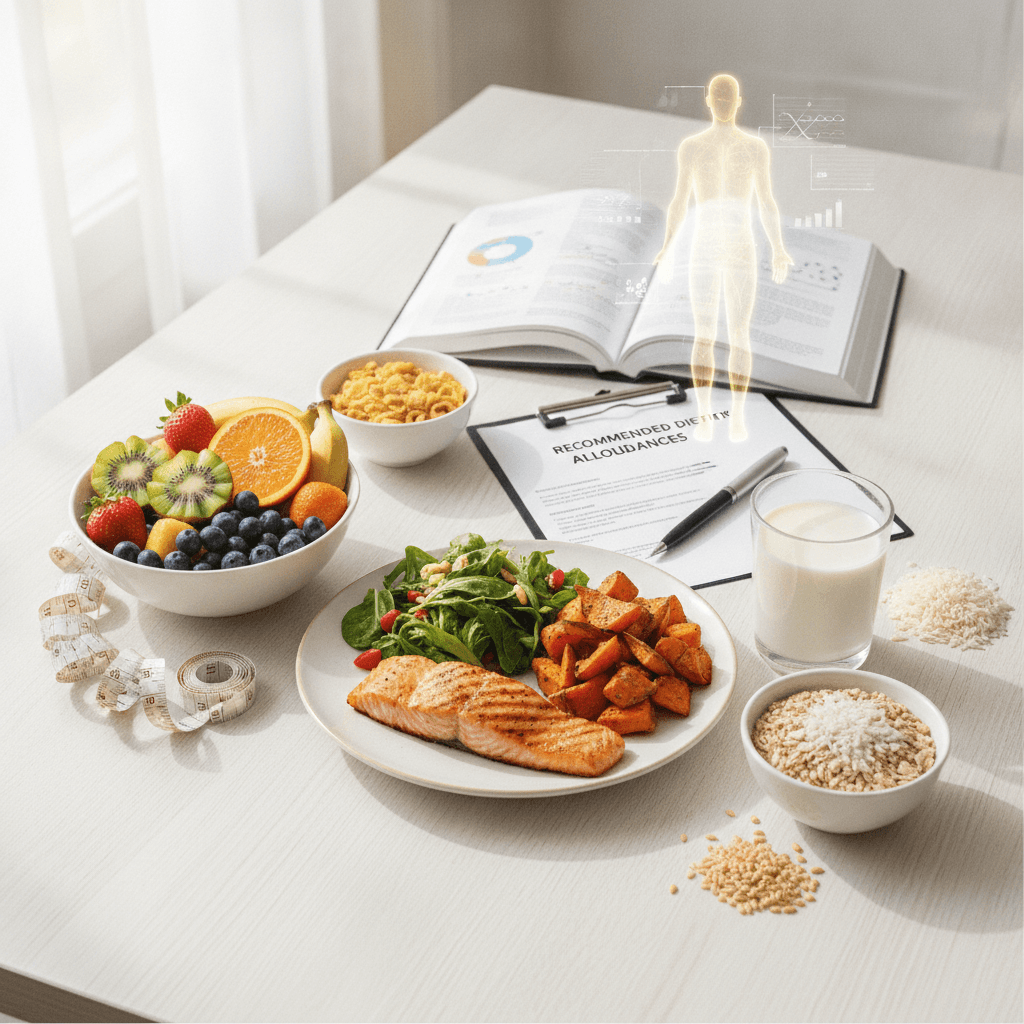
Understand Recommended Dietary Allowances (RDAs) beyond the numbers to build a truly balanced, whole-food diet for optimal health and wellness.
Emily CarterNutrition and Wellness ExpertAugust 13, 2026
Recommended Dietary Allowances (RDAs) are science-backed daily nutrient intake levels sufficient to meet the needs of 97-98% of healthy individuals in specific demographic groups. Established by expert bodies like the National Academies, RDAs prevent deficiencies and guide public health. They serve as a foundational guide for nutrition, emphasizing a whole-food approach to support overall well-being, though individual needs can vary.
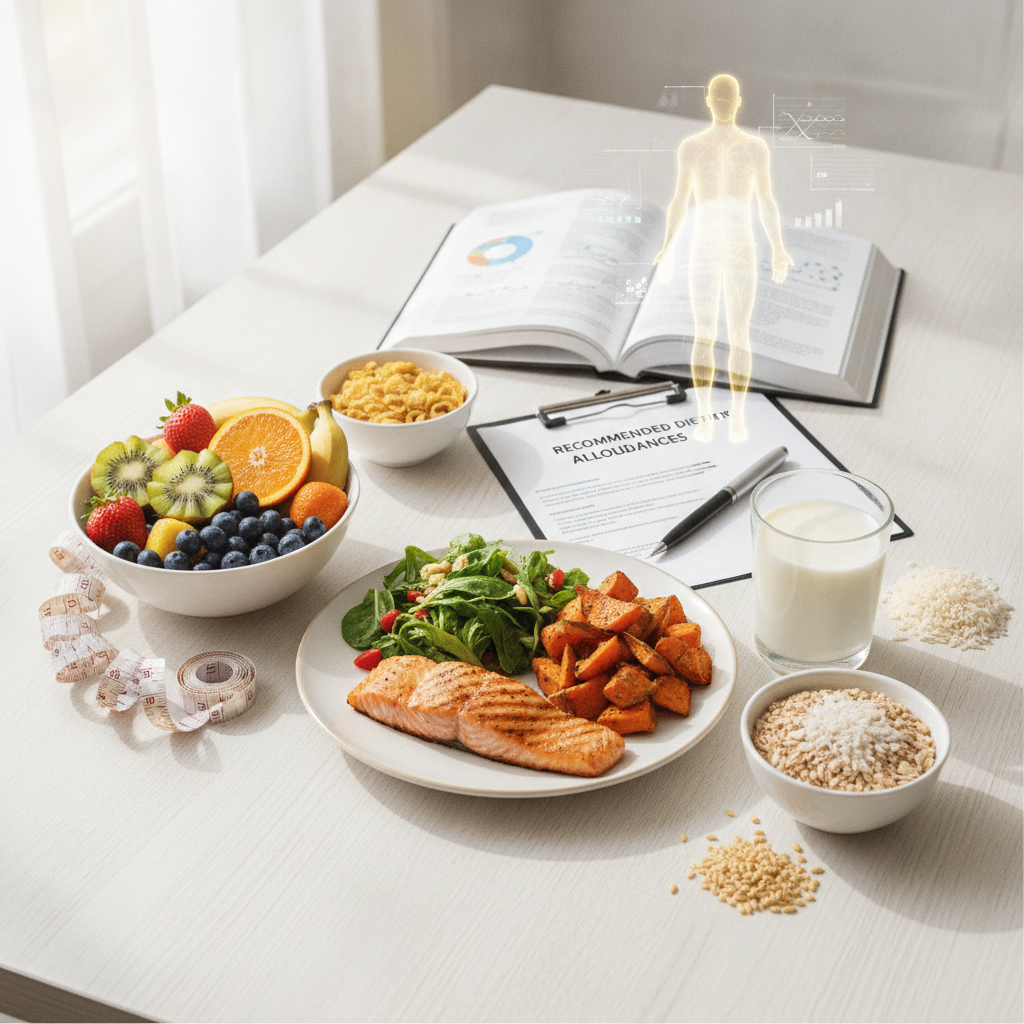
Recommended Dietary Allowances (RDAs) are the average daily dietary intake level that is sufficient to meet the nutrient requirements of nearly all (97%–98%) healthy individuals in a particular life stage and gender group. These science-backed benchmarks, established by expert bodies, serve as a foundational guide for ensuring adequate nutrient intake to prevent deficiency diseases and support overall health. However, as Emily Carter, a dedicated Nutrition and Wellness Expert at HealthyMealPlate.com, emphasizes, understanding and applying these guidelines effectively goes beyond simply memorizing numbers; it involves appreciating individual variability and the synergistic power of whole foods in practical meal planning.
For everyday adults managing their own or their family's health and diet, the challenge often lies in translating these population-level recommendations into tangible, plate-specific choices. While RDAs provide a crucial starting point, over-reliance on them without considering the complexities of absorption, dietary synergy, and individual health nuances can lead to suboptimal outcomes. Our unique perspective at HealthyMealPlate.com advocates for seeing RDAs not as rigid minimums to be met with isolated supplements, but as a dynamic framework guiding the construction of sustainable, nutrient-dense eating patterns.
To effectively utilize dietary guidelines, a clear understanding of their definition, history, and scientific basis is paramount. Recommended Dietary Allowances are not arbitrary figures; they are the product of rigorous scientific review and statistical analysis, designed to serve a broad public health purpose. These allowances ensure that the vast majority of the population receives sufficient nutrients to prevent deficiency diseases, a critical public health goal. The concept has evolved significantly since its inception, moving from basic deficiency prevention to promoting optimal health and reducing chronic disease risk.
A Recommended Dietary Allowance (RDA) is defined as the average daily dietary nutrient intake level sufficient to meet the nutrient requirements of nearly all (97 to 98 percent) healthy individuals in a particular life stage and gender group (Source: National Academies of Sciences, Engineering, and Medicine, 2020). RDAs are established for specific nutrients where there is sufficient scientific evidence to determine an Estimated Average Requirement (EAR). The EAR is the nutrient intake value estimated to meet the requirement of half of the healthy individuals in a particular group. RDAs are then set at two standard deviations above the EAR, ensuring coverage for the majority.
These values are critical for planning and assessing nutrient intakes for population groups and for individuals. For instance, the RDA for Vitamin C for adult non-smoking males is 90 mg/day, while for females it is 75 mg/day (Source: National Institutes of Health, 2023). This differentiation highlights how RDAs are tailored to specific demographic groups, acknowledging varying physiological needs. RDAs serve as valuable benchmarks, guiding public health policy, food fortification programs, and the development of dietary guidelines.
The concept of Recommended Dietary Allowances originated in the United States in 1941, during World War II, driven by concerns about civilian and military nutrition. The initial goal was primarily to prevent nutrient deficiencies that were prevalent at the time, such as scurvy, rickets, and pellagra. These early recommendations focused on a limited number of vitamins and minerals crucial for basic survival and health maintenance. The first RDAs were published by the National Research Council's Food and Nutrition Board.
Over the decades, the understanding of nutrition expanded beyond deficiency prevention to include the role of nutrients in promoting long-term health and reducing the risk of chronic diseases like heart disease, diabetes, and certain cancers. This broader understanding led to a significant revision of the guidelines. In the mid-1990s, the framework evolved into the Dietary Reference Intakes (DRIs), encompassing a more comprehensive set of values. The DRIs now include RDAs, Estimated Average Requirements (EARs), Adequate Intakes (AIs), and Tolerable Upper Intake Levels (ULs), providing a more nuanced approach to nutrient recommendations.
The Dietary Reference Intakes (DRIs) represent a comprehensive set of nutrient reference values for healthy populations in the United States and Canada. This framework moves beyond just RDAs to provide a more complete picture of nutrient needs and safety. Understanding the full DRI framework is essential for interpreting RDAs correctly.
Estimated Average Requirement (EAR): This is the average daily nutrient intake level estimated to meet the requirements of 50 percent of healthy individuals in a particular life stage and gender group. The EAR is primarily used for assessing nutrient intakes of groups and for planning nutrition programs. It is the basis for setting the RDA.
Recommended Dietary Allowance (RDA): As discussed, the RDA is set at a level to meet the needs of 97-98% of healthy individuals. It is calculated from the EAR and is used as a goal for individual intake. When an EAR cannot be determined due to insufficient scientific evidence, an AI is established instead.
Adequate Intake (AI): An AI is established when there isn't enough scientific evidence to determine an EAR and, consequently, an RDA. The AI is a recommended average daily nutrient intake level based on observed or experimentally determined approximations of nutrient intake by a group (or groups) of healthy people that are assumed to be adequate. Examples include Vitamin K and Chromium, which often have AIs instead of RDAs.
Tolerable Upper Intake Level (UL): The UL is the highest average daily nutrient intake level likely to pose no risk of adverse health effects to almost all individuals in the general population. As intake increases above the UL, the potential risk of adverse effects may increase. ULs are crucial for preventing nutrient toxicities, especially relevant with the widespread use of dietary supplements. For example, the UL for Vitamin A is 3,000 mcg RAE/day for adults (Source: U.S. Food and Drug Administration, 2022).
This layered approach ensures that nutrient recommendations consider both the minimum required to prevent deficiency and the maximum safe intake, providing a holistic guide for optimal nutrition. Each component of the DRI framework serves a distinct purpose in nutritional assessment and planning.
In the United States, the Recommended Dietary Allowances, as part of the broader Dietary Reference Intakes (DRIs), are developed by the Food and Nutrition Board of the National Academies of Sciences, Engineering, and Medicine. This independent, non-profit organization brings together leading scientists and health professionals to review the latest scientific evidence on nutrient requirements. Their work involves extensive literature reviews, meta-analyses, and expert consensus to establish the most current and evidence-based recommendations.
The process is rigorous and transparent, involving multiple stages of review and public comment. The resulting DRIs are then adopted by various government agencies, including the U.S. Department of Agriculture (USDA) and the U.S. Department of Health and Human Services (HHS), to inform public health initiatives, dietary guidelines, and food labeling regulations. These guidelines form the scientific basis for the Dietary Reference Intakes (DRIs), which are regularly updated to reflect new scientific discoveries and evolving health concerns.
While the scientific rigor behind RDAs is undeniable, Emily Carter and the team at HealthyMealPlate.com advocate for a nuanced interpretation. We believe that simply viewing RDAs as targets to be hit daily, often through a fragmented approach, misses the larger picture of holistic nutrition. Our stance challenges the common misconception that meeting RDAs in isolation guarantees optimal health, especially for everyday individuals navigating complex food environments.
RDAs are designed for populations, not for every single individual. They represent a statistical estimate to cover most healthy people, effectively preventing nutrient deficiencies at a population level. However, they do not account for the vast spectrum of individual variations in genetics, lifestyle, current health status, absorption capabilities, or specific dietary patterns (Source: American Society for Nutrition, 2021). For example, someone with a specific genetic polymorphism might have a higher requirement for a particular B vitamin than the general RDA suggests.
Therefore, while RDAs provide an invaluable foundation, they should be considered a starting point for personalized nutritional planning. They inform the general direction of a healthy diet but require individual adjustment based on personal circumstances. This is where practical tools and expert guidance become indispensable, moving beyond generic recommendations to tailored solutions.
The term "normal healthy persons" in the context of RDAs refers to individuals without chronic diseases, acute illnesses, or conditions that significantly alter nutrient metabolism. However, even within this definition, there is substantial variability. Factors such as age, sex, activity level, body size, stress levels, sleep quality, and even geographical location can influence individual nutrient needs. A sedentary office worker will have different energy and nutrient requirements than a manual laborer, even if both are considered "healthy."
Moreover, the concept of "healthy" itself is fluid. Many individuals may be subclinically deficient in certain nutrients or have suboptimal levels that do not manifest as overt disease but still impact energy, mood, or immune function. RDAs are not designed to identify or address these nuances. As Emily Carter often notes in her practice, a person might be meeting the RDA for iron, but still experience fatigue due to poor absorption or chronic low-grade inflammation. This highlights the need for a holistic view that considers a person's entire lifestyle and biochemical individuality.
One of the most critical aspects often overlooked when interpreting RDAs is the concept of nutrient synergy, particularly prevalent in whole foods. Nutrients in whole foods do not exist in isolation; they are part of a complex matrix of vitamins, minerals, fiber, phytonutrients, and other bioactive compounds that interact to enhance absorption, utilization, and overall health benefits. For example, Vitamin C enhances the absorption of non-heme iron from plant sources, and various carotenoids work together as antioxidants more effectively than any single one.
Relying solely on fortified foods or single-nutrient supplements to meet RDAs can bypass these crucial synergistic effects. A diet rich in diverse whole foods provides a spectrum of nutrients and cofactors that are often absent in highly processed or fortified products. This approach ensures not only adequate intake of specific nutrients but also promotes a healthier overall dietary pattern, which is more impactful for long-term well-being. Emily Carter's philosophy at HealthyMealPlate.com centers on this whole-food emphasis, providing practical strategies to harness this natural synergy.
While dietary supplements can play a role in addressing specific deficiencies under professional guidance, an over-reliance on them solely to "hit" RDA targets without a comprehensive dietary strategy presents several pitfalls. Firstly, supplements often contain isolated nutrients that lack the complex matrix of whole foods, potentially leading to imbalances or reduced bioavailability. For instance, high doses of one mineral can interfere with the absorption of another.
Secondly, many supplements exceed the RDA for certain nutrients, sometimes approaching or even surpassing the Tolerable Upper Intake Level (UL), increasing the risk of toxicity. For example, excessive intake of fat-soluble vitamins like Vitamin A or D from supplements can accumulate in the body and lead to adverse effects (Source: National Academies Press, 2011). A 2019 study showed that approximately 23,000 emergency department visits annually in the U.S. are attributed to adverse events from dietary supplements, with micronutrients being a significant contributor (Source: New England Journal of Medicine, 2019). This highlights the importance of cautious, informed supplementation, always prioritizing food-first strategies.

Macronutrients – carbohydrates, proteins, and fats – are the nutrients the body needs in larger amounts to provide energy, build and repair tissues, and carry out essential bodily functions. While RDAs are more explicitly defined for micronutrients, guidelines for macronutrients are expressed as Acceptable Macronutrient Distribution Ranges (AMDRs), which represent ranges of intake for energy-yielding macronutrients that are associated with reduced risk of chronic disease while providing adequate intakes of essential nutrients.
Carbohydrates are the body's primary source of energy, essential for brain function, muscle activity, and overall cellular processes. The RDA for carbohydrates for adults is 130 grams per day, which is the minimum amount needed to prevent ketosis and ensure adequate glucose supply for the brain (Source: U.S. Department of Agriculture, 2020). However, the AMDR for carbohydrates is much broader, recommending 45-65% of total daily calories.
Recommended Intake: The focus should be on complex carbohydrates rich in fiber, such as whole grains, legumes, fruits, and vegetables. These provide sustained energy and essential nutrients, unlike refined sugars which offer empty calories and can lead to blood sugar spikes.
Sources and Quality: Prioritize foods like oats, brown rice, quinoa, whole wheat bread, apples, berries, broccoli, and spinach. These sources also contribute significant amounts of dietary fiber, with an AI of 25-38 grams per day for adults (Source: National Academies Press, 2005), crucial for digestive health and blood sugar regulation.
Proteins are vital for building and repairing tissues, making enzymes and hormones, and supporting immune function. They are composed of amino acids, some of which are essential and must be obtained from the diet. The RDA for protein for adults is 0.8 grams per kilogram of body weight per day (Source: National Academies of Sciences, Engineering, and Medicine, 2005). For an average 70 kg (154 lb) adult, this translates to about 56 grams of protein daily. The AMDR for protein is 10-35% of total daily calories.
Recommended Intake: While 0.8 g/kg is the minimum to prevent deficiency, many individuals, especially active adults or older adults, may benefit from higher intakes, up to 1.2-1.6 g/kg, to optimize muscle maintenance and satiety (Source: Journal of the American Medical Directors Association, 2013).
Complete vs. Incomplete Proteins: Complete proteins contain all nine essential amino acids and are found primarily in animal products (meat, poultry, fish, eggs, dairy). Incomplete proteins are found in plant foods and typically lack one or more essential amino acids. However, vegetarians and vegans can easily obtain all essential amino acids by consuming a variety of plant proteins throughout the day (e.g., rice and beans, hummus and pita).
Sources and Quality: Excellent protein sources include lean meats, poultry, fish, eggs, dairy products, legumes (beans, lentils), nuts, seeds, and soy products.
Dietary fats are crucial for energy storage, hormone production, nutrient absorption (especially fat-soluble vitamins), and cell membrane integrity. While there isn't a specific RDA for total fat, the AMDR for total fat is 20-35% of total daily calories (Source: National Academies of Sciences, Engineering, and Medicine, 2005). The emphasis is on the type of fat consumed.
Recommended Intake (total fat, saturated, unsaturated): Saturated fats should be limited to less than 10% of total daily calories, and trans fats should be avoided entirely due to their detrimental effects on heart health. Monounsaturated and polyunsaturated fats, including essential fatty acids, should be prioritized.
Essential Fatty Acids (Omega-3, Omega-6): Linoleic acid (an omega-6) and alpha-linolenic acid (an omega-3) are essential fatty acids that the body cannot synthesize. The AI for linoleic acid for adult males is 17 g/day and 12 g/day for females; for alpha-linolenic acid, it's 1.6 g/day for males and 1.1 g/day for females (Source: National Academies Press, 2005).
Sources and Quality: Healthy fat sources include avocados, nuts, seeds, olive oil, fatty fish (salmon, mackerel), and flaxseed. These provide beneficial monounsaturated and polyunsaturated fats, including omega-3s.
Micronutrients, including vitamins and minerals, are required by the body in much smaller amounts than macronutrients, but they are absolutely critical for countless bodily functions. Deficiencies in even small amounts can lead to severe health problems. Understanding their specific RDAs and sources is key to a balanced diet.
Vitamins are organic compounds that are vital for normal growth and metabolism. They are categorized into fat-soluble and water-soluble vitamins, which affects how they are absorbed, stored, and excreted by the body.
Fat-Soluble Vitamins (A, D, E, K):
Vitamin A: Crucial for vision, immune function, and cell growth. RDA for adult males is 900 mcg RAE/day, for females 700 mcg RAE/day (Source: National Institutes of Health, 2023). Found in carrots, sweet potatoes, spinach, liver, and dairy. UL is 3,000 mcg RAE/day.
Vitamin D: Essential for bone health, calcium absorption, and immune function. RDA for adults is 600 IU (15 mcg)/day, increasing to 800 IU (20 mcg)/day for older adults (Source: National Institutes of Health, 2023). Primarily synthesized in the skin from sun exposure, also found in fatty fish, fortified milk, and eggs. UL is 4,000 IU/day.
Vitamin E: A powerful antioxidant protecting cells from damage. RDA for adults is 15 mg/day (Source: National Institutes of Health, 2023). Rich in nuts, seeds, vegetable oils, and leafy greens. UL is 1,000 mg/day.
Vitamin K: Vital for blood clotting and bone health. AI for adult males is 120 mcg/day, for females 90 mcg/day (Source: National Institutes of Health, 2023). Abundant in leafy green vegetables like kale and spinach.
Water-Soluble Vitamins (C, B-complex: B1, B2, B3, B5, B6, B7, B9, B12):
Vitamin C (Ascorbic Acid): An antioxidant, essential for immune function, collagen synthesis, and iron absorption. RDA for adult males is 90 mg/day, for females 75 mg/day (Source: National Institutes of Health, 2023). Found in citrus fruits, bell peppers, broccoli, and strawberries. UL is 2,000 mg/day.
B Vitamins: A group of vitamins crucial for energy metabolism, nerve function, and red blood cell formation.
B1 (Thiamine): RDA 1.2 mg/day (males), 1.1 mg/day (females). Whole grains, pork.
B2 (Riboflavin): RDA 1.3 mg/day (males), 1.1 mg/day (females). Dairy, eggs, leafy greens.
B3 (Niacin): RDA 16 mg NE/day (males), 14 mg NE/day (females). Meat, poultry, fish, nuts. UL is 35 mg/day.
B5 (Pantothenic Acid): AI 5 mg/day. Widespread in foods.
B6 (Pyridoxine): RDA 1.3 mg/day (adults <50). Meat, fish, fortified cereals. UL is 100 mg/day.
B7 (Biotin): AI 30 mcg/day. Eggs, nuts, salmon.
B9 (Folate/Folic Acid): RDA 400 mcg DFE/day. Leafy greens, legumes, fortified grains. UL is 1,000 mcg/day for folic acid.
B12 (Cobalamin): RDA 2.4 mcg/day. Animal products, fortified foods.
Because water-soluble vitamins are not stored in the body to a significant extent, regular intake through diet is necessary. Excessive amounts are typically excreted in urine, though ULs exist for some (e.g., Niacin, B6, Folate) due to potential adverse effects from very high doses, often from dietary supplements.
Minerals are inorganic elements that play diverse roles, from bone formation and fluid balance to nerve transmission and muscle contraction. They are generally categorized into major minerals (needed in larger amounts) and trace minerals (needed in smaller amounts).
Major Minerals (Calcium, Phosphorus, Magnesium, Sodium, Potassium, Chloride):
Calcium: Essential for strong bones and teeth, muscle function, and nerve signaling. RDA for adults (19-50 years) is 1,000 mg/day, increasing to 1,200 mg/day for women >50 and men >70 (Source: National Institutes of Health, 2023). Dairy, fortified plant milks, leafy greens. UL is 2,500 mg/day.
Phosphorus: Works with calcium for bone health, involved in energy metabolism. RDA for adults is 700 mg/day (Source: National Institutes of Health, 2023). Meat, fish, dairy, legumes. UL is 4,000 mg/day.
Magnesium: Over 300 enzymatic reactions, muscle and nerve function, blood glucose control. RDA for adult males is 400-420 mg/day, for females 310-320 mg/day (Source: National Institutes of Health, 2023). Leafy greens, nuts, seeds, whole grains. UL from supplements is 350 mg/day.
Sodium: Fluid balance, nerve impulses, muscle function. AI is 1,500 mg/day, but the UL is 2,300 mg/day due to hypertension risk (Source: National Academies Press, 2019). Processed foods, table salt.
Potassium: Fluid balance, nerve signals, muscle contractions, blood pressure regulation. AI is 4,700 mg/day (Source: National Academies Press, 2019). Fruits, vegetables, potatoes, bananas.
Chloride: Fluid balance, digestion. AI is 2,300 mg/day (Source: National Academies Press, 2019). Table salt, processed foods.
Trace Minerals (Iron, Zinc, Copper, Selenium, Iodine, Fluoride, Manganese, Chromium, Molybdenum):
Iron: Oxygen transport (hemoglobin), energy production. RDA for adult males is 8 mg/day, for premenopausal females 18 mg/day (Source: National Institutes of Health, 2023). Red meat, poultry, beans, spinach. UL is 45 mg/day.
Zinc: Immune function, wound healing, DNA synthesis. RDA for adult males is 11 mg/day, for females 8 mg/day (Source: National Institutes of Health, 2023). Oysters, red meat, poultry, beans, nuts. UL is 40 mg/day.
Copper: Iron metabolism, energy production, connective tissue formation. RDA for adults is 900 mcg/day (Source: National Institutes of Health, 2023). Shellfish, nuts, seeds, whole grains. UL is 10,000 mcg/day.
Selenium: Antioxidant defense, thyroid hormone metabolism. RDA for adults is 55 mcg/day (Source: National Institutes of Health, 2023). Brazil nuts, seafood, meat, poultry. UL is 400 mcg/day.
Iodine: Thyroid hormone production, metabolism. RDA for adults is 150 mcg/day (Source: National Institutes of Health, 2023). Iodized salt, seafood, dairy. UL is 1,100 mcg/day.
While needed in smaller quantities, trace minerals are no less vital. For example, even a slight deficiency in iodine can impair thyroid function, affecting metabolism and energy levels. The precise balance of these micronutrients, often best achieved through a diverse, whole-foods diet, is essential for maintaining robust health.
The concept of a "normal healthy person" is stratified across various demographics and physiological states. Nutrient requirements are not static; they fluctuate significantly based on age, gender, pregnancy status, activity levels, and specific health conditions. Understanding these variations is crucial for applying Recommended Dietary Allowances effectively and tailoring dietary advice to individual needs. This is where a generalized RDA transforms into a personalized dietary strategy.
Children and adolescents are in critical periods of rapid growth and development, requiring specific nutrient profiles to support bone mineralization, cognitive development, and increased energy demands. For instance, calcium and Vitamin D RDAs are higher for children and adolescents compared to young adults to support peak bone mass accrual (Source: American Academy of Pediatrics, 2014). Iron requirements also increase significantly during adolescence, especially for girls entering puberty, to account for menstrual losses.
Protein intake, expressed as g/kg body weight, is also higher in younger children to support tissue growth. Energy requirements vary widely based on activity level, but adequate caloric intake from nutrient-dense foods is paramount. Emily Carter emphasizes that parents often struggle to meet these dynamic needs, making structured meal planning tools particularly beneficial for this life stage.
For most healthy adults (typically 19-50 years), RDAs focus on maintaining bodily functions, preventing chronic diseases, and sustaining energy levels. While requirements are generally stable, slight variations exist between younger and middle-aged adults.
Young Adults (19-30): These years are often characterized by peak physical activity and metabolic rates. Nutrient needs are generally consistent with standard adult RDAs, with a strong emphasis on macronutrient balance to support energy and lean muscle mass.
Middle-Aged Adults (31-50): Metabolism may begin to slow slightly, and maintaining muscle mass becomes more critical. Protein intake, while still adhering to the RDA, might benefit from being closer to the higher end of the AMDR to support satiety and prevent sarcopenia (muscle loss). Emphasis shifts towards preventing the onset of age-related chronic diseases through antioxidant-rich diets.
As individuals age (51+ years), physiological changes can significantly alter nutrient needs and absorption. RDAs for some nutrients, like Vitamin D and Calcium, increase due to decreased skin synthesis of Vitamin D and concerns about bone density (Source: Osteoporosis International, 2017). Conversely, energy requirements may decrease due to reduced metabolic rate and activity, meaning nutrient-dense foods become even more crucial to avoid malnutrition.
Older adults also often face challenges such as reduced appetite, dental issues, altered taste perception, and polypharmacy (taking multiple medications), all of which can impact nutrient intake and absorption. Vitamin B12 absorption can be impaired due to reduced stomach acid. Therefore, higher B12 intake from fortified foods or supplements is often recommended for those over 50 (Source: National Institutes of Health, 2023). Emily Carter frequently advises clients in this age group on strategies to ensure adequate nutrient intake despite these challenges.
Pregnancy and lactation represent periods of significantly increased nutrient demands to support fetal development, maternal health, and milk production. For example, the RDA for folate more than doubles during pregnancy to prevent neural tube defects (from 400 mcg to 600 mcg DFE/day) (Source: Centers for Disease Control and Prevention, 2021). Iron requirements also increase substantially to support increased blood volume and fetal needs (from 18 mg to 27 mg/day).
Calcium, protein, and various B vitamins also see increased RDAs or AIs during these stages. The energy needs of lactating mothers are also considerably higher than during pregnancy to support milk production. Meeting these heightened demands typically requires careful dietary planning and often targeted supplementation under medical supervision, as food alone may not always suffice.
Individuals engaged in regular, intense physical activity have elevated energy and nutrient requirements compared to sedentary counterparts. Their macronutrient needs are significantly higher to fuel workouts, repair muscle tissue, and recover. For example, protein intake for endurance or strength athletes can range from 1.2 to 2.0 g/kg body weight, significantly above the general RDA (Source: Journal of the International Society of Sports Nutrition, 2017). Carbohydrate needs are also much higher to replenish glycogen stores.
Micronutrient requirements, particularly for B vitamins (involved in energy metabolism), iron (oxygen transport), and antioxidants (to combat exercise-induced oxidative stress), may also be increased, though specific RDAs often remain the same. The challenge for athletes is consuming enough nutrient-dense calories to meet these demands without over-relying on processed foods, making strategic meal planning essential.
Individuals following specific dietary patterns, such as vegetarian or vegan diets, or those with food allergies/intolerances, must pay particular attention to meeting their RDAs. While these diets can be incredibly healthy, they require careful planning to ensure adequate intake of certain nutrients often abundant in excluded food groups.
For example, vegans must ensure sufficient intake of Vitamin B12 (found almost exclusively in animal products), iron (plant-based non-heme iron is less bioavailable), calcium, Vitamin D, zinc, and omega-3 fatty acids. Strategies include consuming fortified foods, specific plant-based sources (e.g., fortified plant milks, legumes, nuts, seeds), and potentially targeted supplementation. Emily Carter works extensively with clients on restrictive diets, demonstrating that with careful planning, it is entirely possible to meet all recommended dietary allowances through plant-based whole foods, often with the help of a tool like the HealthyMealPlate.com meal planner.
Understanding Recommended Dietary Allowances is the first step; the real impact comes from translating this knowledge into daily eating habits. For everyday adults, this often feels like a daunting task, fraught with calculations and dietary restrictions. However, the philosophy at HealthyMealPlate.com, championed by Emily Carter, is to simplify this process, making optimal nutrition accessible and enjoyable through practical, whole-food-based meal planning.
HealthyMealPlate.com bridges the gap between scientific recommendations and practical application. Instead of focusing on micronutrient counts for every meal, our approach emphasizes building meals around nutrient-dense whole foods that naturally cover a broad spectrum of RDAs. Our free meal planner tool takes household food preferences and generates a week of meals and a grocery list, making the complex task of balanced eating simple.
For instance, instead of worrying about getting precisely 75 mg of Vitamin C, the meal planner suggests incorporating a variety of fruits and vegetables known to be rich in Vitamin C, such as bell peppers in a stir-fry or berries in a breakfast smoothie. This practical translation makes meeting recommended dietary allowances intuitive and enjoyable, rather than a chore. It empowers users to make informed choices without needing a nutrition degree.
The cornerstone of meeting RDAs effectively and sustainably is a diet rich in nutrient-dense whole foods. These are foods that provide a high concentration of nutrients (vitamins, minerals, fiber, phytonutrients) relative to their caloric content. Examples include leafy greens, colorful fruits and vegetables, lean proteins, whole grains, nuts, and seeds. Processed foods, on the other hand, often provide "empty calories" with minimal nutritional value, making it difficult to meet RDAs.
By prioritizing whole foods, individuals naturally consume a wider array of essential nutrients in their most bioavailable forms, benefiting from the synergistic interactions discussed earlier. For example, a single apple offers not just Vitamin C and fiber, but a host of polyphenols and antioxidants that contribute to overall health far beyond what a Vitamin C supplement alone can provide (Source: Harvard T.H. Chan School of Public Health, 2022). Emily Carter always guides her clients to focus on what to *add* to their diet, rather than what to restrict, promoting a positive relationship with food.
The USDA's MyPlate guidelines offer a visual and practical representation of how to proportion food groups to meet general nutrient needs, aligning well with RDA principles. Each food group contributes unique nutrients essential for health:
Fruits and Vegetables: Rich in vitamins (C, A, folate), minerals (potassium, magnesium), fiber, and antioxidants. Aim for a colorful variety to ensure a broad spectrum of phytonutrients.
Grains (Whole Grains): Provide complex carbohydrates for energy, fiber, and B vitamins (thiamine, riboflavin, niacin) and minerals (iron, magnesium, selenium). Prioritize whole grains over refined grains.
Protein Foods: Essential for protein, iron, zinc, and B12. Includes lean meats, poultry, fish, eggs, beans, lentils, nuts, seeds, and soy products.
Dairy and Fortified Alternatives: Excellent sources of calcium, Vitamin D, and potassium. Includes milk, yogurt, cheese, and fortified plant-based milks.
Healthy Oils: Provide essential fatty acids and fat-soluble vitamins. Includes olive oil, avocado oil, and nuts/seeds.
By building meals that incorporate elements from each of these food groups, individuals are highly likely to meet most of their Recommended Dietary Allowances without meticulous tracking. The HealthyMealPlate.com meal planner automates this balance, ensuring diverse and nutritious meals. More detailed information on these food groups can be found on the USDA Food and Nutrition website.
A practical approach to meeting RDAs involves constructing balanced meals and snacks. Each meal should ideally include a source of lean protein, complex carbohydrates, and healthy fats, alongside a generous portion of fruits and vegetables. This combination ensures satiety, sustained energy, and a comprehensive nutrient profile.
For example, a breakfast of oatmeal with berries, nuts, and a splash of milk covers whole grains, fruit, healthy fats, and protein, contributing to fiber, Vitamin C, B vitamins, and various minerals. A lunch of grilled chicken salad with mixed greens, avocado, and a vinaigrette provides protein, healthy fats, and a wide array of vitamins and minerals. Snacks like an apple with peanut butter or Greek yogurt with seeds further enhance nutrient intake throughout the day.
While a whole-food approach generally covers most RDAs, periodic self-assessment can be beneficial. Are you consistently feeling low on energy? Are you experiencing digestive issues? These could be subtle signs of inadequate nutrient intake. Using a food diary for a few days, or leveraging the meal tracking features of tools like the HealthyMealPlate.com planner, can provide insights into your dietary patterns.
Based on this monitoring, small, incremental adjustments can be made. Perhaps adding more leafy greens for iron and folate, or incorporating more fatty fish for Vitamin D and omega-3s. Remember, consistency over time is more important than perfection in any single meal. Emily Carter advises clients to view their diet as an evolving journey, adaptable to life changes and personal needs.
Despite their widespread use, Recommended Dietary Allowances are often subject to misinterpretation, leading to unnecessary anxiety or misguided dietary choices. Clarifying these misconceptions and adopting best practices can significantly enhance an individual's ability to achieve optimal health through nutrition.
A common misconception is that the RDA represents a minimum requirement, and exceeding it is always better. While RDAs are indeed set to prevent deficiencies, they are not necessarily indicative of optimal intake for every individual or for every health goal. For some nutrients, intakes slightly above the RDA but below the UL may confer additional health benefits, particularly in specific populations or conditions (Source: Journal of the American Medical Association, 2018). For example, some research suggests higher Vitamin D levels than those achieved at the RDA may be beneficial for immune function or specific chronic disease prevention.
However, this does not mean "more is always better." For other nutrients, exceeding the RDA can be detrimental, especially when approaching the UL. The goal is balance: meeting or slightly exceeding RDAs through diverse whole foods, while remaining well below the UL. This nuanced understanding moves beyond a simple pass/fail approach to nutrition.
Bioavailability refers to the proportion of a nutrient that is absorbed from the diet and utilized by the body. This is a critical factor not directly accounted for in the raw RDA numbers. Many factors influence bioavailability, including the food matrix, preparation methods, and the presence of other nutrients or anti-nutrients. For instance, heme iron from animal sources is significantly more bioavailable than non-heme iron from plants (Source: American Journal of Clinical Nutrition, 2019). The presence of Vitamin C, however, can dramatically increase non-heme iron absorption.
Nutrient interactions are also vital. High intake of zinc can interfere with copper absorption, and calcium can slightly inhibit iron absorption. Conversely, synergistic interactions, like Vitamin D aiding calcium absorption, are beneficial. Focusing on a balanced diet with a variety of whole foods helps to naturally optimize these interactions and bioavailability, offering a more effective strategy than isolated nutrient counting. Emily Carter often highlights how a simple squeeze of lemon on a lentil salad can boost iron absorption significantly.
Diet is undeniably central to meeting Recommended Dietary Allowances, but lifestyle factors also play a significant, often underestimated, role in nutrient status. Stress, sleep quality, physical activity levels, alcohol consumption, smoking, and certain medications can all impact nutrient requirements, absorption, and utilization. Chronic stress, for example, can deplete B vitamins and magnesium.
Adequate sleep supports metabolic processes and hormonal balance, indirectly influencing nutrient needs. Regular exercise increases energy expenditure and can influence requirements for certain micronutrients. Therefore, a holistic approach to health, encompassing diet, lifestyle, and mental well-being, is the most effective way to ensure optimal nutrient status and overall vitality. This comprehensive view is a hallmark of the guidance provided by HealthyMealPlate.com.
While general RDAs and tools like the HealthyMealPlate.com planner provide excellent guidance for most healthy individuals, there are times when personalized professional advice is invaluable. If you have specific health conditions (e.g., digestive disorders, chronic diseases), are on multiple medications, have significant dietary restrictions, or are experiencing unexplained symptoms, consulting a Registered Dietitian or a qualified Nutrition and Wellness Expert like Emily Carter is highly recommended.
A professional can assess your individual needs, interpret blood work, identify potential deficiencies, and develop a truly tailored nutrition plan that accounts for all unique factors. They can help navigate complex nutrient interactions, advise on appropriate supplementation, and provide ongoing support to achieve specific health goals. This expert guidance ensures that your dietary approach is not only aligned with general recommended dietary allowances but optimized for your unique physiological landscape.
In conclusion, Recommended Dietary Allowances for normal healthy persons are foundational benchmarks, meticulously crafted by scientific bodies to prevent nutrient deficiencies across populations. However, their true power lies not in rigid adherence to numbers, but in their intelligent application within a holistic, whole-food-centric dietary strategy. At HealthyMealPlate.com, we believe that understanding the nuances of individual variability, nutrient synergy, and practical meal planning transforms these scientific guidelines into actionable steps for everyday health.
By embracing a diverse diet rich in whole foods, being mindful of life stage and activity level, and leveraging intuitive tools like our free meal planner, individuals can confidently navigate their nutritional journey. Emily Carter's expertise reinforces that optimal health is achieved through balanced, sustainable eating patterns that appreciate the complexity and interconnectedness of nutrients, ensuring that everyone can build a plate that truly nourishes their body and supports their well-being. Start your journey towards balanced eating today by exploring the practical resources at HealthyMealPlate.com.
The primary purpose of RDAs is to establish daily dietary intake levels that are sufficient to meet the nutrient requirements of nearly all (97-98%) healthy individuals within specific life stage and gender groups. They are designed to prevent nutrient deficiencies at a population level.
RDAs are part of the broader DRIs, which also include Estimated Average Requirements (EARs), Adequate Intakes (AIs), and Tolerable Upper Intake Levels (ULs). RDAs cover 97-98% of healthy individuals, while EARs meet 50% of needs, AIs are used when an RDA can't be set, and ULs define the maximum safe intake.
RDAs are population-level guidelines and do not fully account for individual variability based on genetics, specific health conditions, high activity levels, or unique absorption rates. While a strong starting point, personalized adjustments may be necessary for optimal health.
Emily Carter is a dedicated nutritionist passionate about making healthy eating accessible and enjoyable for everyone. With a background in dietetics, she excels at translating complex nutrition science into easy-to-understand advice that fits into everyday life. Emily focuses on creating sustainable meal plans that prioritize whole foods and balance, catering to a wide range of dietary needs and preferences.
This article is for general education and is not individualized medical advice. Speak with a qualified healthcare professional about your individual needs.
For most healthy individuals, meeting all RDAs is entirely achievable through a diverse diet rich in whole, nutrient-dense foods. Supplements may be beneficial in specific cases (e.g., pregnancy, certain dietary restrictions, diagnosed deficiencies), but should ideally be guided by a healthcare professional.
Recommended Dietary Allowances, as part of the Dietary Reference Intakes (DRIs), are periodically reviewed and updated by the National Academies of Sciences, Engineering, and Medicine. Updates occur as new scientific evidence emerges regarding nutrient requirements and their impact on health, typically every 5-10 years for specific nutrient groups.