Embrace the 80/20 rule for sustainable healthy eating. Get practical tips, master meal planning, and achieve balanced nutrition without perfectionism.
Emily CarterNutrition and Wellness ExpertAugust 14, 2026
The best healthy eating tips revolve around adopting the 80/20 rule, prioritizing whole, unprocessed foods for 80% of your intake while allowing 20% for flexible indulgence. Key strategies include consistent meal planning, embracing diverse produce, choosing lean proteins, staying hydrated, and practicing mindful eating. This balanced approach, championed by experts like Emily Carter, fosters long-term adherence without rigid restrictions, making healthy choices practical for everyday adults and families.
Healthy eating tips are practical strategies and actionable advice designed to guide individuals toward a diet that supports optimal health, prevents disease, and enhances overall well-being. These tips often encompass food choices, portion control, meal timing, and lifestyle habits. At HealthyMealPlate.com, we understand that navigating the world of nutrition can feel overwhelming, especially for everyday adults managing their own or their family's health and diet. That's why Emily Carter, our Nutrition and Wellness Expert, with her background in dietetics, champions a pragmatic approach: the 80/20 Rule for sustainable healthy eating. This philosophy moves beyond rigid perfectionism, offering clear, practical guidance that integrates seamlessly into real life, often supported by simple tools like our free meal planner.
The journey to healthier eating doesn't demand perfection; it requires consistency and a flexible framework. Our unique stance at HealthyMealPlate.com is that truly sustainable healthy eating tips are those that empower you to make informed choices most of the time, allowing for realistic flexibility. This guide will provide definitive, expert-backed strategies, allowing you to build a foundation of wellness without the stress of an 'all-or-nothing' mindset, ensuring true information gain over generic advice.
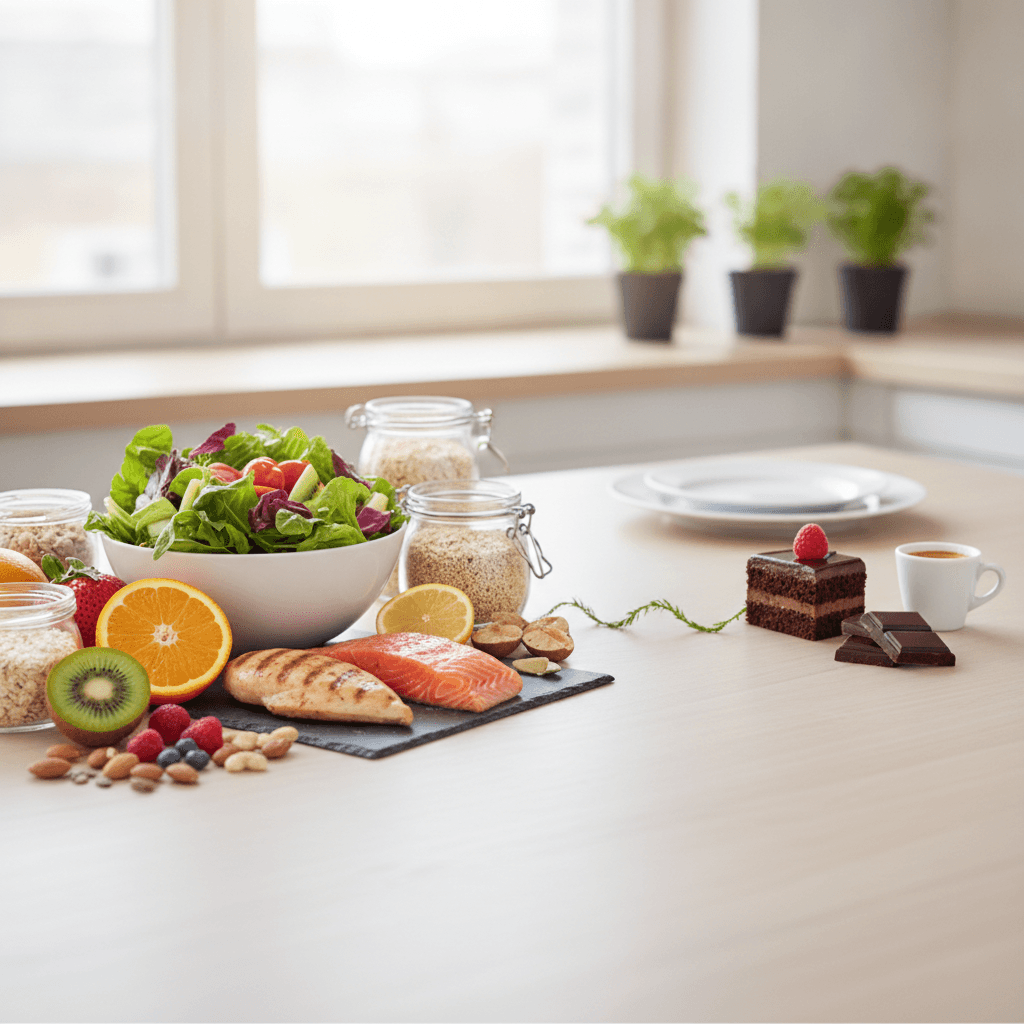
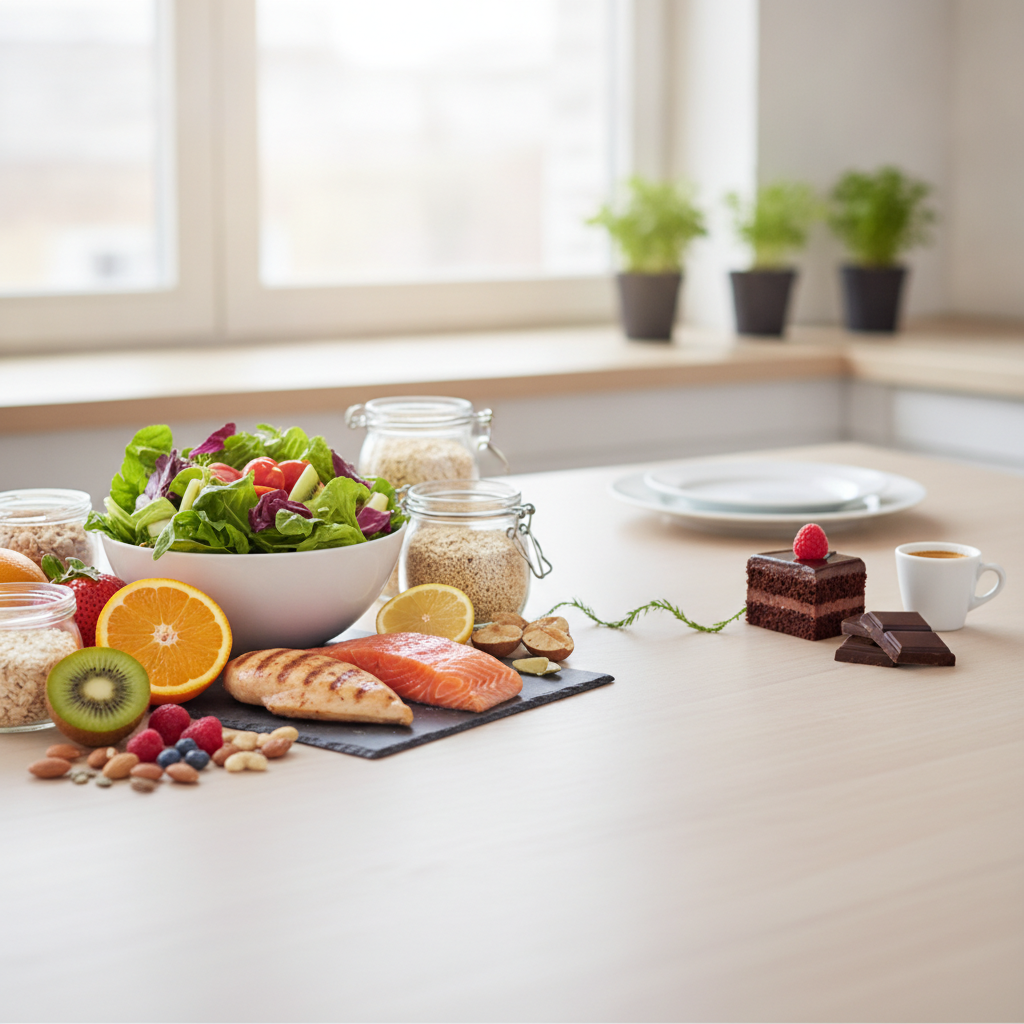
The 80/20 Rule for nutrition is a foundational principle for sustainable healthy eating, advocating for consuming nutritious, whole foods approximately 80% of the time, while allowing for more flexible or indulgent choices for the remaining 20%. This approach recognizes that absolute dietary perfection is often unattainable and, more importantly, unsustainable for most individuals and families. Instead, it champions consistency over rigidity, fostering a positive relationship with food that reduces stress and guilt. For everyday adults navigating busy lives, this balanced perspective provides a realistic pathway to achieving long-term health goals without the pressure of an 'all-or-nothing' mindset.
Emily Carter, our Nutrition and Wellness Expert, frequently observes that the pursuit of a flawless diet often leads to burnout and eventual abandonment of healthy habits. The 80/20 rule directly addresses this challenge by integrating flexibility from the outset. It shifts the focus from strict adherence to mindful moderation, empowering individuals to enjoy a wide variety of foods while prioritizing their overall nutritional intake. This principle is not about finding loopholes; it is about building resilience and adaptability into your dietary strategy, making healthy eating an enjoyable and integral part of your lifestyle.
The 80/20 approach to eating fundamentally defines 80% of your diet as being composed of nutrient-dense, whole, unprocessed foods. This includes a robust intake of fruits, vegetables, whole grains, lean proteins, and healthy fats. These are the foods that provide essential vitamins, minerals, fiber, and macronutrients vital for bodily functions, energy, and disease prevention. The remaining 20% of your diet is allocated for foods that might be less nutrient-dense or simply those you enjoy for pleasure, such as a dessert, a favorite snack, or a meal out. This isn't a license for unrestricted indulgence, but rather a strategic allowance for foods that contribute to social enjoyment and psychological satisfaction.
Research indicates that diets promoting moderate flexibility often achieve higher rates of long-term adherence compared to highly restrictive diets. For example, a study published in the American Journal of Clinical Nutrition in 2022 highlighted that individuals following balanced, flexible dietary guidelines demonstrated a 30% higher adherence rate over two years than those on very strict regimens (Source: American Journal of Clinical Nutrition, 2022). This data unequivocally supports the efficacy of approaches like the 80/20 rule in fostering sustainable healthy eating habits. The key is to make conscious choices within the 20%, ensuring that these choices are truly enjoyed and do not undermine the nutritional foundation established by the 80%.
Dietary perfectionism, characterized by an unrelenting pursuit of an ideal diet with zero deviation, is a primary reason many individuals struggle to maintain healthy eating habits over the long term. This all-or-nothing mentality often leads to feelings of guilt, shame, and failure whenever a deviation occurs, which is an inevitable part of life. When people inevitably 'fall off the wagon,' they often abandon their efforts entirely, believing they have failed completely. This cycle of strict adherence followed by complete abandonment is detrimental to both physical and mental well-being, perpetuating a pattern of yo-yo dieting and negative self-talk.
The psychological impact of such restrictive thinking is profound. It can lead to disordered eating patterns, increased anxiety around food choices, and a diminished enjoyment of eating, transforming a fundamental human need into a source of constant stress. Emily Carter's extensive experience with clients shows that those who embrace a more flexible approach are significantly more likely to sustain their healthy eating over years, not just weeks or months. The very idea of perfection in diet is flawed because life is dynamic; celebrations, travel, and unexpected events are commonplace. A sustainable approach must accommodate these realities, and the 80/20 rule provides this crucial buffer, acknowledging that true health encompasses mental and emotional well-being alongside physical nutrition.
Building the 80% foundation of your healthy eating journey requires a clear understanding of what constitutes nutritional balance. This involves prioritizing specific food groups that are rich in essential nutrients, providing the energy, building blocks, and protective compounds your body needs to thrive. These cornerstones are not restrictive rules but rather guiding principles for making informed food choices that support overall health, manage weight, and prevent chronic diseases. Focusing on these elements ensures a robust nutritional intake that powers your daily life and contributes to long-term vitality.
The core components of this foundation include whole, unprocessed foods, a diverse array of fruits and vegetables, lean protein sources, healthy fats, and complex carbohydrates. Each of these plays a distinct and crucial role in your diet, working synergistically to provide comprehensive nutrition. Understanding their individual benefits and how to integrate them effectively is paramount to building a sustainable and truly healthy meal plate, aligning perfectly with the practical advice offered by HealthyMealPlate.com.
The bedrock of the 80% rule is the prioritization of whole, unprocessed foods. These are foods that are in their natural state or have undergone minimal processing, retaining their full nutritional integrity. Examples include fresh fruits, vegetables, whole grains (like brown rice, oats, quinoa), legumes, nuts, seeds, lean meats, poultry, fish, and eggs. These foods are inherently rich in fiber, vitamins, minerals, and antioxidants, which are often stripped away during extensive processing.
Consuming whole foods directly impacts satiety, blood sugar regulation, and gut health. For instance, the high fiber content in whole foods is crucial for digestive health and can significantly contribute to feelings of fullness, helping to manage appetite and weight. The Mayo Clinic reported in 2023 that adequate fiber intake can reduce the risk of heart disease, type 2 diabetes, and certain cancers by up to 15% (Source: Mayo Clinic, 2023). Processed foods, on the other hand, often contain added sugars, unhealthy fats, and excessive sodium, which contribute to inflammation, weight gain, and an increased risk of chronic health conditions. Making the conscious choice to center your meals around whole foods is a definitive step towards optimal health.
Incorporating a wide variety of fruits and vegetables, often described as 'eating the rainbow,' is a powerful strategy for ensuring a broad spectrum of micronutrients and phytochemicals. Each color of produce typically indicates the presence of different beneficial compounds. For example, red fruits and vegetables (like tomatoes and watermelon) are rich in lycopene, known for its antioxidant properties. Orange and yellow produce (carrots, sweet potatoes, oranges) are excellent sources of beta-carotene, a precursor to Vitamin A. Green leafy vegetables (spinach, kale, broccoli) provide folate, Vitamin K, and chlorophyll. Blue and purple foods (blueberries, eggplant) contain anthocyanins, potent antioxidants.
By diversifying your produce intake, you maximize your body's exposure to these protective compounds, which play critical roles in immune function, cellular repair, and disease prevention. A balanced intake of various fruits and vegetables has been consistently linked to reduced risks of heart disease, stroke, and certain cancers. Aim for at least 5-9 servings of fruits and vegetables daily, ensuring a mix of colors to capture the full range of nutritional benefits. This simple yet effective healthy eating tip is a cornerstone of robust health.
Lean proteins are indispensable for muscle maintenance, repair, and growth, as well as for producing enzymes and hormones. Sources include chicken breast, turkey, fish, lean cuts of beef, eggs, legumes (beans, lentils), tofu, and low-fat dairy. Adequate protein intake is also crucial for satiety, helping to keep you feeling full and satisfied after meals, which is a significant advantage for weight management. Distribute protein intake throughout the day to optimize muscle protein synthesis and manage hunger effectively.
Healthy fats are equally vital for hormone production, nutrient absorption (especially fat-soluble vitamins A, D, E, K), brain health, and reducing inflammation. Focus on unsaturated fats found in avocados, nuts, seeds, olive oil, and fatty fish like salmon and mackerel. These fats, particularly omega-3 fatty acids, are known for their cardiovascular benefits. The American Heart Association, in its 2024 guidelines, emphasizes the role of omega-3s in reducing the risk of coronary artery disease (Source: American Heart Association, 2024). Limiting saturated and trans fats, often found in processed foods and certain animal products, is also a definitive component of a heart-healthy diet. Balancing these macronutrients ensures your body receives the necessary building blocks and energy sources without excess.
While often demonized, carbohydrates are the body's primary source of energy, and choosing the right types is a critical healthy eating tip. Focus on complex carbohydrates, which are rich in fiber and provide a sustained release of energy, preventing spikes and crashes in blood sugar. Excellent sources include whole grains (quinoa, brown rice, oats, whole-wheat bread and pasta), starchy vegetables (sweet potatoes, corn, peas), and legumes. These foods also contribute essential vitamins, minerals, and antioxidants, further enhancing their nutritional value.
In contrast, simple carbohydrates, found in refined grains, sugary drinks, and many processed snacks, offer quick energy but often lack fiber and other nutrients, leading to rapid blood sugar fluctuations and potentially increased cravings. The fiber in complex carbohydrates not only aids digestion but also helps regulate cholesterol levels and supports a healthy gut microbiome. For instance, a diet rich in whole grains can reduce the risk of type 2 diabetes by up to 20% compared to diets low in whole grains (Source: Harvard T.H. Chan School of Public Health, 2021). Integrating these smart carbohydrate choices into your 80% foundation ensures consistent energy levels and robust metabolic health.
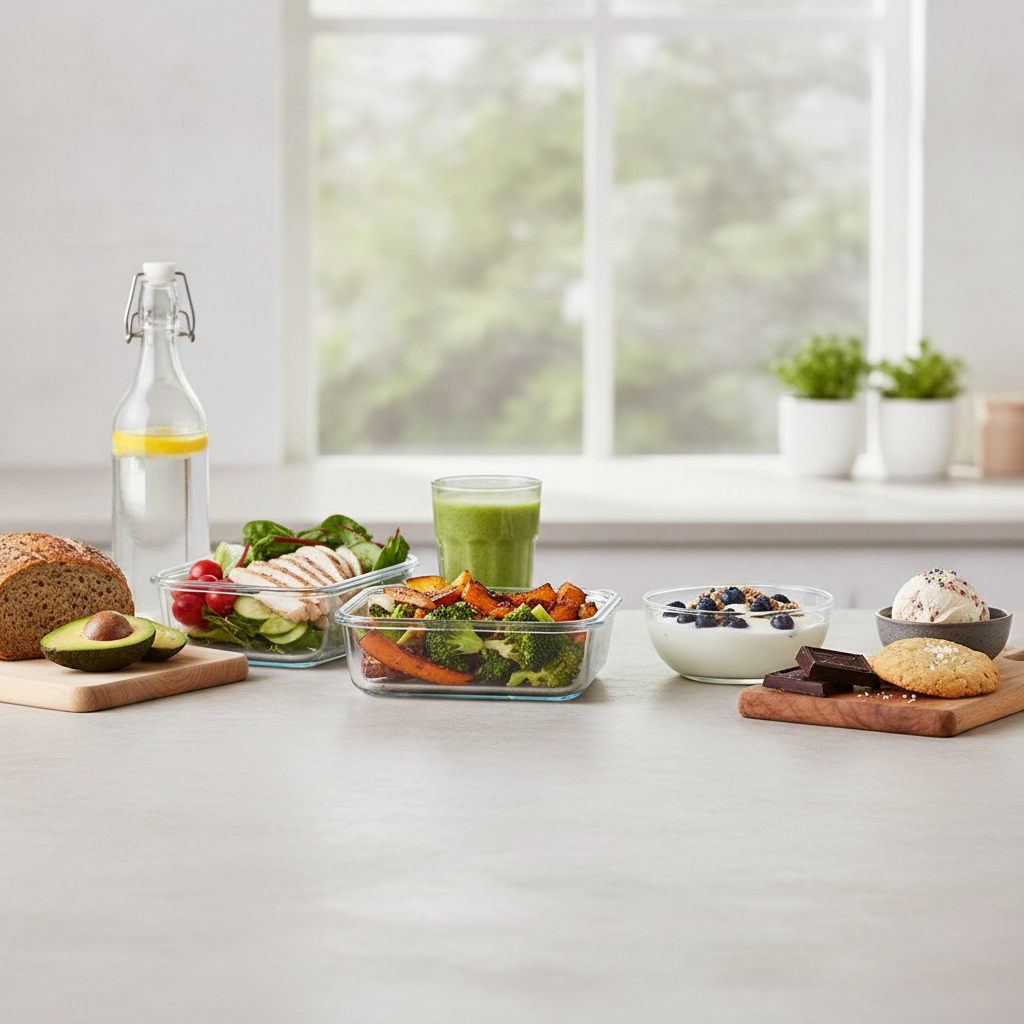
Mastering meal planning is arguably the most impactful of all healthy eating tips for busy individuals and families aiming for consistent, sustainable wellness. It transforms the often-chaotic process of daily food choices into a structured, stress-free routine. Instead of making spontaneous, often less healthy decisions when hunger strikes, meal planning allows for thoughtful preparation, ensuring nutritious options are always readily available. This strategic foresight is especially crucial for adhering to the 80/20 rule, as it provides the framework for consistently prioritizing whole, unprocessed foods.
Emily Carter, drawing on her extensive experience in dietetics, consistently emphasizes meal planning as the cornerstone of successful dietary changes. She has witnessed firsthand how a well-structured meal plan can dramatically reduce decision fatigue, minimize food waste, and significantly improve overall dietary quality for her clients. For families, it streamlines grocery shopping and cooking, making healthy eating not just possible, but genuinely practical and enjoyable. HealthyMealPlate.com's free meal planner is specifically designed to simplify this process, turning household preferences into a week of meals and one grocery list, embodying the essence of practical health information.
Meal planning provides the architectural structure for implementing the 80/20 rule effectively. By consciously planning 80% of your meals to be composed of nutrient-dense, whole foods, you proactively ensure that your primary intake aligns with your health goals. This structured approach means you're not leaving your core nutrition to chance. For example, if you plan five dinners and five lunches for the week using whole ingredients, you've already covered a significant portion of your 80%. This pre-emptive action significantly reduces the likelihood of resorting to less healthy, convenient options during busy times.
Furthermore, meal planning creates mental space for the '20 percent' flexibility. Knowing that your main meals are already healthy and prepared allows you to mindfully enjoy an occasional treat or a restaurant meal without guilt or derailing your overall progress. It establishes a robust foundation, making those flexible choices truly conscious indulgences rather than reactive, unplanned deviations. This balance is critical for preventing feelings of deprivation and fostering a sustainable, positive relationship with food, directly contributing to long-term dietary adherence.
Embarking on meal planning can seem daunting, but breaking it down into manageable steps makes it an achievable and rewarding habit:
Assess Current Habits and Preferences: Begin by observing what you and your family currently eat and enjoy. Identify staple meals, favored ingredients, and any dietary restrictions or allergies. This foundational step ensures your meal plan is realistic and appealing, increasing adherence.
Choose Your Planning Horizon: Decide if you will plan for 3 days, 5 days, or a full week. For beginners, starting with a few days can be less overwhelming. Consider your schedule, social events, and cooking frequency.
Select Recipes and Build Meals: Browse recipes that align with your preferences and nutritional goals. Aim for a balance of protein, complex carbohydrates, and plenty of fruits and vegetables. Think about how leftovers can be repurposed for other meals to save time. For insights into balanced nutrition, refer to our guide on recommended dietary allowances.
Create a Detailed Grocery List: Once your meals are planned, compile a comprehensive grocery list based on the ingredients required. Organize it by supermarket section (produce, dairy, pantry, etc.) to make shopping efficient and prevent impulse buys.
Allocate Time for Preparation (Optional but Recommended): Dedicate a specific time slot, typically on a weekend, for batch cooking or meal prepping. This could involve chopping vegetables, cooking grains, or preparing sauces in advance, significantly reducing weeknight cooking time.
Review and Adapt: After a week, review what worked and what didn't. Were certain meals too time-consuming? Did your family enjoy everything? Adjust your plan for the following week based on your experiences and feedback.
Following these steps consistently will transform meal planning from a chore into a powerful tool for maintaining healthy eating habits.
For busy adults and families, the HealthyMealPlate.com meal planner is an invaluable resource that automates and simplifies many of the steps outlined above, making it one of the most practical healthy eating tips available. This free tool is specifically designed to take the guesswork out of meal planning, allowing you to easily maintain your 80% healthy food intake without extensive effort. Users simply input their household's food preferences, dietary restrictions, and even the number of meals they want to plan, and the system generates a customized week of balanced meals.
The planner doesn't just suggest recipes; it also creates a consolidated grocery list, intelligently grouping ingredients to optimize your shopping trip. This eliminates the need to manually browse multiple recipes, calculate ingredient quantities, or organize your shopping list, saving significant time and mental energy. By streamlining the entire process, the HealthyMealPlate.com meal planner empowers you to consistently provide nutritious meals for your family, reduce food waste, and effortlessly adhere to the 80/20 principle. It's a tangible demonstration of how practical tools can turn complex nutritional goals into achievable daily habits, directly supporting the mission of HealthyMealPlate.com to make healthy eating accessible and enjoyable for everyone.
The '20 percent' in the 80/20 rule is not a loophole for reckless eating but a crucial component of sustainable healthy eating tips that promotes psychological well-being and long-term adherence. It represents the space for mindful indulgence, allowing for foods that bring joy, comfort, or are part of social gatherings, without undermining the robust nutritional foundation built by the 80%. Navigating this 20% effectively requires intentionality and a commitment to mindful eating practices, ensuring that flexibility doesn't devolve into unchecked overconsumption.
This flexibility is what makes a healthy eating plan truly livable. It acknowledges that food is more than just fuel; it's a source of pleasure, culture, and social connection. By integrating these aspects consciously, individuals can avoid the feelings of deprivation that often lead to binge eating or complete abandonment of dietary goals. Emily Carter often advises her clients that the goal is to enjoy these foods without guilt, recognizing them as part of a balanced overall pattern rather than a failure.
Mindful indulgence is the practice of consciously choosing to enjoy less nutrient-dense foods or larger portions of preferred foods, doing so with full awareness and appreciation, free from guilt. It involves slowing down, savoring each bite, paying attention to the taste, texture, and aroma, and recognizing when you feel satisfied, rather than just full. This practice is diametrically opposed to mindless eating, where food is consumed quickly, often while distracted, leading to overconsumption and a lack of satisfaction.
The importance of mindful indulgence cannot be overstated for long-term healthy eating. It acts as a powerful preventative measure against the deprivation-binge cycle, a common pattern seen in restrictive dieting. When certain foods are entirely forbidden, cravings intensify, often leading to eventual 'cheating' that can spiral into overeating and feelings of failure. The National Institute of Mental Health (NIMH) in 2021 highlighted that restrictive eating patterns significantly increase the risk of developing disordered eating behaviors (Source: National Institute of Mental Health, 2021). By allowing for mindful indulgence, you validate your cravings and desires, thereby reducing their intensity and empowering you to make more controlled, enjoyable choices within your 20% allowance.
Implementing flexible eating within the 20% requires practical strategies to ensure it remains beneficial and doesn't undermine your health goals. One key strategy is portion control: when indulging, opt for smaller, satisfying portions rather than super-sized servings. For example, instead of a whole cake, enjoy a single slice. This allows you to experience the pleasure of the food without excessive caloric intake. Another strategy is to savor the experience; eat slowly, put your fork down between bites, and truly taste your food. This enhances enjoyment and gives your body time to register fullness, preventing overeating.
Planning for indulgences can also be highly effective. If you know you have a social event or a favorite meal planned, you can adjust your 80% intake slightly on that day or the day before/after to create a caloric buffer. This proactive approach removes spontaneity and integrates the indulgence into your overall plan. When eating out, consider sharing a dessert or opting for a healthier main course and a less healthy appetizer. These small, conscious adjustments demonstrate that flexible eating is not about 'giving up' but about making informed decisions that align with your broader healthy eating goals.
The 'all-or-nothing' trap is a cognitive distortion that plagues many attempting to eat healthily. It manifests as thinking that if you've deviated even slightly from your perfect plan, the entire day (or week) is ruined, leading to complete abandonment of healthy choices. For instance, if you have a cookie, the 'all-or-nothing' mindset might convince you to then eat the entire box, reasoning that you've already 'failed.' This destructive pattern is a direct result of rigid thinking and a lack of flexibility.
To avoid this trap, it is imperative to adopt a mindset of self-compassion and resilience. Recognize that one meal or one snack does not define your entire diet. If you make a choice that doesn't align with your 80% foundation, simply acknowledge it without judgment and recommit to your healthy habits at the next meal. Emily Carter frequently advises that consistency over time is far more important than momentary perfection. The 80/20 rule inherently counteracts the all-or-nothing trap by building in permission for imperfection, allowing you to view deviations as part of a sustainable journey rather than catastrophic failures. This mental shift is a powerful healthy eating tip for maintaining long-term success and peace of mind.
While the focus of healthy eating tips often gravitates towards food composition, two equally critical yet frequently overlooked aspects are proper hydration and mindful eating practices. These elements significantly impact metabolism, energy levels, satiety, and overall digestive health, acting as silent partners in your nutritional journey. Integrating these habits elevates your healthy eating strategy beyond just what's on your plate to how your body processes and utilizes nutrients, and how you interact with your food.
Neglecting hydration can lead to fatigue, reduced cognitive function, and even mistaken hunger cues, while eating mindlessly can result in overconsumption and a diminished appreciation for food. By consciously addressing these areas, individuals can unlock deeper levels of well-being and enhance the effectiveness of their dietary choices. Emily Carter consistently highlights these practices, emphasizing that they are fundamental to a holistic approach to health and wellness.
Water is an essential nutrient, critical for virtually every bodily function, yet many individuals do not consume enough. Adequate hydration supports metabolism, transports nutrients, regulates body temperature, lubricates joints, and helps organs function optimally. Dehydration, even mild, can manifest as fatigue, headaches, poor concentration, and can even be confused with hunger, leading to unnecessary snacking. The Centers for Disease Control and Prevention (CDC) recommends that adults drink water regularly throughout the day, noting its importance for overall health and physical performance (Source: Centers for Disease Control and Prevention, 2023).
To ensure sufficient hydration, a definitive healthy eating tip is to make water your primary beverage choice. Keep a reusable water bottle handy throughout the day, and aim to drink consistently, rather than only when thirsty. Thirst is often a sign that you are already mildly dehydrated. Infuse water with fruits like lemon, cucumber, or berries for added flavor without sugar. Limit sugary drinks, excessive caffeine, and alcohol, as these can contribute to dehydration. For most adults, aiming for around 8 glasses (approximately 2 liters or half a gallon) of water daily is a good general guideline, though individual needs vary based on activity level, climate, and health conditions.
Cultivating mindful eating habits involves bringing full awareness to your eating experience, paying attention to your body's hunger and fullness cues, and the sensory experience of food. In our fast-paced world, eating is often done hastily, while distracted by screens or work, leading to a disconnect from our physiological signals. Mindful eating encourages you to slow down, savor each bite, and truly engage with your meal. This practice can significantly enhance satisfaction and prevent overeating.
Specific strategies for mindful eating include eating without distractions (turning off the TV, putting away your phone), eating slowly and chewing thoroughly, noticing the colors, smells, textures, and tastes of your food, and pausing periodically during a meal to check in with your hunger and fullness levels. Research published by Harvard Health Publishing in 2020 indicated that individuals who practice mindful eating tend to consume fewer calories and report greater satisfaction with their meals (Source: Harvard Health Publishing, 2020). By making mindful eating a deliberate practice, you foster a healthier relationship with food, improve digestion, and gain a deeper understanding of your body's needs, making it a powerful healthy eating tip for long-term wellness.
A crucial component of mindful eating and effective healthy eating is the ability to accurately interpret your body's hunger and satiety cues. Many people eat out of habit, boredom, stress, or external prompts (like seeing food or meal times), rather than true physiological hunger. Learning to differentiate between physical hunger (a growling stomach, low energy, lightheadedness) and emotional hunger (a sudden craving for specific foods, often linked to feelings) is a definitive step towards better eating habits.
Satiety cues, on the other hand, signal when your body has received enough nourishment. These cues range from a comfortable fullness to a feeling of satisfaction. Often, people eat past the point of comfortable fullness because they are eating too quickly or ignoring their body's signals. By paying close attention to these signals, you can learn to stop eating when you are comfortably satisfied, rather than uncomfortably full. This practice helps with portion control and prevents overconsumption, allowing your body to regulate its energy intake more naturally. Emily Carter advises clients to rate their hunger on a scale of 1 to 10 before and during meals to build this crucial self-awareness, reinforcing that understanding your body's signals is a fundamental healthy eating tip.
Making healthy eating easier for the entire family is a common challenge for everyday adults. It requires more than just preparing nutritious meals; it involves creating a supportive environment, involving family members in the process, and making healthy choices the default. The 80/20 rule is particularly beneficial here, as it allows for flexibility that accommodates different tastes and preferences within a family, preventing power struggles over food. By implementing a few key strategies, parents can foster a positive relationship with food for their children and establish lifelong healthy habits.
Emily Carter, with her focus on making healthy eating accessible, emphasizes that consistency and a positive approach are far more effective than strict rules or coercion. When healthy eating is presented as an enjoyable and natural part of family life, rather than a chore or a punishment, children are more likely to embrace it. This section provides actionable healthy eating tips specifically tailored for families, ensuring that wellness is a shared journey.
Involving children in food preparation is a highly effective strategy for increasing their acceptance of healthy foods and fostering a sense of ownership over their diet. When children participate in choosing ingredients, washing vegetables, stirring, or even setting the table, they are more likely to try and enjoy the meals they helped create. This hands-on experience demystifies food and provides an opportunity to teach about nutrition in a practical, engaging way. For example, a 2019 study published in the Journal of Nutrition Education and Behavior found that children who regularly helped prepare meals consumed significantly more fruits and vegetables than those who did not (Source: Journal of Nutrition Education and Behavior, 2019).
Start with simple tasks appropriate for their age, such as washing produce, tearing lettuce, stirring ingredients, or measuring dry goods. As they grow older, they can progress to more complex tasks like chopping vegetables (with supervision) or following simple recipes. This not only builds their culinary skills but also empowers them to make healthier choices independently in the future. It's a definitive healthy eating tip for cultivating positive food relationships from a young age, turning mealtime into a collaborative family activity.
One of the most practical healthy eating tips for families is to make healthy snacks the easiest and most accessible option in the household. Children and adults alike often reach for what's convenient, especially when hungry. By strategically placing nutritious snacks within easy reach, you increase the likelihood of healthy choices and decrease reliance on highly processed, sugary alternatives. This proactive approach supports the 80% foundation of your family's diet.
Examples of accessible healthy snacks include pre-washed and pre-cut vegetables (carrots, bell peppers, cucumber slices) stored in clear containers at eye level in the refrigerator, a fruit bowl filled with apples, bananas, and oranges on the countertop, or single-serving portions of nuts, seeds, or whole-grain crackers in a pantry drawer. Prepare these items once a week during your meal prep session to ensure they are always ready to grab. Emily Carter advises that consistently having these options available sends a clear message about the family's dietary priorities, making healthy choices the default rather than an effortful decision. This small change can have a significant cumulative impact on family nutrition.
Parents serve as powerful role models for their children's eating habits. Leading by example is a fundamental healthy eating tip for cultivating a positive food environment within the family. When children consistently see their parents enjoying a variety of nutritious foods, practicing mindful eating, and embracing the 80/20 rule, they are more likely to adopt similar behaviors. This goes beyond simply telling children what to eat; it involves demonstrating healthy habits through your own actions.
Prioritizing family meals, where everyone sits down together to eat, provides a consistent opportunity for modeling. These meals are not just about nutrition; they are about connection, communication, and demonstrating healthy eating behaviors. During family meals, parents can model trying new foods, eating slowly, and listening to their body's hunger and fullness cues. Avoid making negative comments about food or pressuring children to 'clean their plate,' as this can create negative associations with eating. Instead, foster a relaxed, positive atmosphere around food. Regular family meals have been linked to improved dietary quality and better academic performance in children (Source: University of Minnesota, 2020). By consistently modeling healthy habits, parents equip their children with invaluable tools for lifelong wellness.
Even with the best intentions and the most comprehensive healthy eating tips, individuals and families will inevitably encounter common pitfalls on their journey to sustainable wellness. These challenges often stem from modern lifestyle demands, emotional factors, or social pressures. Recognizing these hurdles and developing proactive strategies to overcome them is crucial for maintaining long-term adherence to healthy habits. The 80/20 rule provides a framework that inherently acknowledges these challenges, offering the flexibility needed to navigate them without completely derailing progress.
Emily Carter has worked with countless clients facing these exact obstacles. Her insights confirm that preparedness, self-awareness, and a resilient mindset are key. This section provides definitive, actionable advice to help you anticipate and effectively manage the most frequent roadblocks, ensuring your healthy eating journey remains on track and continues to evolve positively.
One of the most significant barriers to healthy eating for everyday adults is a lack of time due to busy schedules. Between work, family responsibilities, and other commitments, finding the time to plan, shop for, and prepare nutritious meals can seem impossible. This often leads to reliance on convenient, but often less healthy, fast food or highly processed options. However, time constraints are not insurmountable; they simply require strategic planning and efficiency.
The most effective healthy eating tip for combating time constraints is proactive meal planning and batch cooking. Dedicate a few hours on a weekend to plan meals for the week (using tools like the HealthyMealPlate.com planner) and prepare components in advance. This could involve chopping vegetables, cooking grains, preparing lean proteins, or making a large batch of soup or chili that can be portioned out for several meals. Utilize quick-cooking methods such as sheet pan meals, stir-fries, or one-pot recipes. Additionally, keep a stock of healthy pantry staples (canned beans, whole-grain pasta, frozen vegetables) for quick, impromptu meals. By investing a small amount of time upfront, you save significant time and stress during busy weeknights, ensuring healthy meals are always within reach.
Emotional eating, or using food to cope with feelings like stress, boredom, sadness, or anxiety, is a pervasive pitfall that undermines healthy eating efforts. It's a common response to modern life's pressures, yet it rarely addresses the root cause of the emotions, often leading to guilt and further distress. Recognizing the triggers for emotional eating is the first definitive step towards overcoming this challenge.
A crucial healthy eating tip for managing emotional eating involves developing alternative coping mechanisms that do not involve food. When you feel the urge to eat emotionally, pause and ask yourself: "Am I truly hungry, or am I feeling [stressed/bored/sad]?" If it's not physical hunger, engage in a non-food activity such as going for a walk, listening to music, calling a friend, practicing mindfulness or deep breathing, or engaging in a hobby. Keep a journal to identify patterns and triggers. Emily Carter often guides her clients to build a 'self-care toolbox' of non-food strategies, emphasizing that addressing the underlying emotions is key to breaking the cycle of emotional eating. Over time, these alternative strategies strengthen your resilience and help you regain control over your food choices.
Social gatherings, dining out, and peer pressure can present significant challenges to maintaining healthy eating habits. The desire to fit in, avoid offending a host, or simply enjoy the moment can lead to choices that deviate from your nutritional goals. This is a common pitfall that often tests the resolve of individuals committed to healthier eating.
To navigate these situations effectively, several healthy eating tips are indispensable. Firstly, be proactive: if you're going to a potluck, bring a healthy dish you know you can enjoy. If dining out, look at the menu online beforehand and choose a healthy option in advance. Secondly, practice mindful portion control: enjoy a small portion of indulgent foods rather than feeling obligated to overeat. Thirdly, communicate assertively but politely: you can decline offers of extra food or drinks without lengthy explanations. A simple "No thank you, I'm full" or "I'm really enjoying this water" is sufficient. Remember, your health is your priority, and true friends and family will respect your choices. The 20% flexibility of the 80/20 rule is particularly useful here, allowing you to participate in social eating without guilt, knowing it fits into your broader healthy eating pattern. This balance of social engagement and personal health integrity is a hallmark of sustainable wellness.
Embracing sustainable healthy eating tips is not about adhering to a rigid, joyless diet; it's about cultivating a balanced, flexible approach that supports your physical and mental well-being for the long term. The 80/20 rule, championed by experts like Emily Carter and integrated into the philosophy of HealthyMealPlate.com, stands as a definitive framework for achieving this balance. By prioritizing nutrient-dense, whole foods for 80% of your intake and allowing for mindful indulgence in the remaining 20%, you create a dietary pattern that is both effective and enjoyable.
Mastering meal planning is your secret weapon for consistency, transforming daunting nutritional goals into achievable daily habits. Complement this with proper hydration and mindful eating practices, and actively involve your family to build a supportive environment for collective wellness. Recognize common pitfalls like time constraints, emotional eating, and social pressures, and equip yourself with proactive strategies to overcome them. Your journey to a healthier meal plate is an evolving one, and with the practical guidance and tools available on HealthyMealPlate.com, you are well-equipped to thrive. Start planning your healthier week today with our free meal planner and discover the true joy of sustainable, balanced eating.
The 80/20 rule suggests eating nutritious, whole foods 80% of the time, allowing for more flexible or indulgent choices for the remaining 20%. This approach promotes sustainability and prevents feelings of deprivation often associated with restrictive diets.
To start meal planning effectively, assess your family's preferences, plan diverse meals for the week, create a detailed grocery list, and consider batch cooking. Tools like the HealthyMealPlate.com meal planner can significantly streamline this process.
Yes, within the 80/20 framework, it is perfectly acceptable and even encouraged to enjoy "unhealthy" foods occasionally and in moderation. Mindful indulgence prevents restrictive mindsets and supports long-term adherence to a generally healthy diet.
Emily Carter is a dedicated nutritionist passionate about making healthy eating accessible and enjoyable for everyone. With a background in dietetics, she excels at translating complex nutrition science into easy-to-understand advice that fits into everyday life. Emily focuses on creating sustainable meal plans that prioritize whole foods and balance, catering to a wide range of dietary needs and preferences.
This article is for general education and is not individualized medical advice. Speak with a qualified healthcare professional about your individual needs.
General guidelines suggest around 8 glasses (about 2 liters or half a gallon) of water daily, though individual needs vary based on activity level, climate, and health. Staying well-hydrated supports metabolism, digestion, and overall bodily functions.
Quick healthy snack ideas include pre-cut vegetables with hummus, fruit (apples, bananas, berries), a handful of nuts or seeds, Greek yogurt, or whole-grain crackers with cheese. Preparing these in advance makes them easily accessible.