Discover how strategically walking after meals can significantly enhance your metabolic health, aid digestion, and support long-term wellness goals.

Emily CarterNutrition and Wellness ExpertAugust 17, 2026
Walking after meals offers significant benefits for metabolic health, including enhanced glycemic control by reducing post-meal blood sugar spikes and improving long-term insulin sensitivity. It also aids digestion by stimulating gut motility, reduces bloating, contributes to weight management through increased calorie expenditure, and boosts cardiovascular health and mental well-being. This practice acts as a 'predictable metabolic reset' for optimal health.
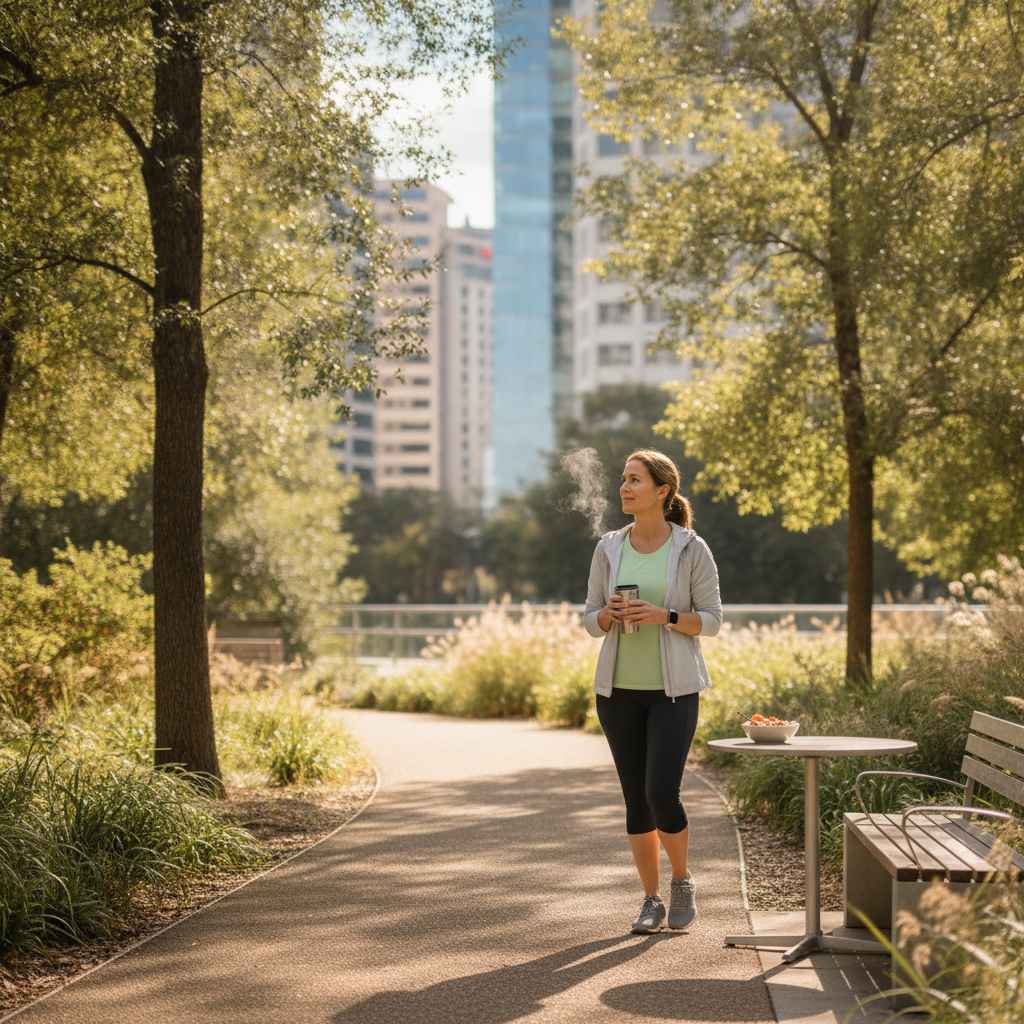
Walking after meals is a simple yet profoundly effective strategy for enhancing metabolic health, supporting digestion, and promoting overall well-being. This practice, often overlooked in its precision, is a foundational element in achieving what we at HealthyMealPlate call a 'predictable metabolic reset.' As Emily Carter, our Nutrition and Wellness Expert, emphasizes, integrating mindful movement post-consumption, particularly when tailored to your dietary intake, can significantly impact nutrient assimilation and long-term health outcomes. It's not just about moving; it's about optimizing *when* and *how* you move to leverage your body's natural processes.
Understanding the physiological mechanisms behind the benefits of walking after meals is crucial for appreciating its profound impact. This practice acts as a 'predictable metabolic reset' because it directly intervenes in the post-prandial (after-meal) state, a critical period for nutrient processing and energy regulation. Our bodies are designed to respond to both food intake and physical activity, and combining these elements strategically optimizes their interplay.
After you consume a meal, your digestive system springs into action. Food travels from the stomach to the small intestine, where nutrient absorption primarily occurs. Carbohydrates are broken down into glucose, which then enters the bloodstream, causing blood sugar levels to rise. The pancreas responds by releasing insulin, a hormone vital for transporting glucose from the blood into cells for energy or storage. This intricate process can be influenced by various factors, including meal composition and physical activity (Source: National Institute of Diabetes and Digestive and Kidney Diseases, 2023).
The rate at which food is processed and nutrients are absorbed is not fixed; it is highly dynamic. Factors such as the type of carbohydrates (simple vs. complex), the presence of fiber, fat, and protein, and individual metabolic rates all play a role. A swift rise in blood glucose, particularly after a carbohydrate-rich meal, can lead to a subsequent insulin surge and, for some individuals, a rapid drop in blood sugar, resulting in fatigue and cravings. Optimizing this response is central to sustained energy and metabolic health.
One of the most immediate and well-documented benefits of walking after meals is its effect on glycemic control. When you walk, your muscles contract and utilize glucose for energy, drawing it directly from your bloodstream. This action helps to mitigate the post-meal spike in blood sugar, reducing the burden on your pancreas and promoting more stable glucose levels. A meta-analysis published in Sports Medicine in 2023 indicated that even light-intensity walking for 2-5 minutes after a meal significantly lowers post-prandial glucose and insulin responses compared to prolonged sitting (Source: Sports Medicine, 2023).
This effect is particularly pronounced after meals high in carbohydrates, which typically trigger a greater glucose response. By engaging in a brief walk, you effectively provide your body with an immediate outlet for the circulating glucose. This prevents excessive accumulation in the bloodstream, which over time can contribute to insulin resistance and type 2 diabetes. For individuals managing prediabetes or type 2 diabetes, this targeted intervention is not merely beneficial; it is a critical component of daily blood sugar management.
Beyond immediate glycemic control, regular walking after meals contributes to improved insulin sensitivity over the long term. Insulin sensitivity refers to how effectively your cells respond to insulin, taking up glucose from the blood. When cells become less responsive, a condition known as insulin resistance, the pancreas must produce more insulin to achieve the same effect, leading to higher insulin levels in the blood. This condition is a precursor to type 2 diabetes and is associated with increased risk for heart disease and weight gain.
Consistent physical activity, especially after eating, trains your cells to be more receptive to insulin. This means your body needs less insulin to process the same amount of glucose, reducing the workload on your pancreas and maintaining healthier metabolic function. Research from the American Diabetes Association (2022) highlights that even moderate daily physical activity can improve insulin sensitivity by up to 20% in individuals at risk for type 2 diabetes, with post-meal walks being a highly accessible form of such activity (Source: American Diabetes Association, 2022). This long-term adaptation is a cornerstone of the 'predictable metabolic reset' concept.
The unique stance of HealthyMealPlate isn't just about advocating for walking after meals; it's about adopting a 'precision post-meal ambulation' strategy. This involves optimizing the timing, duration, and intensity of your walk to maximize its metabolic benefits. Generic advice often misses these nuances, which are critical for truly harnessing the power of this simple habit. Emily Carter emphasizes that tailoring your post-meal movement to your unique meal composition and lifestyle offers superior results.
The optimal time to begin your walk after a meal is within 30 to 60 minutes of finishing eating. This 'golden window' is when blood glucose levels typically begin to rise significantly, especially after meals rich in carbohydrates. By initiating movement during this period, you can effectively intercept the glucose surge, allowing your muscles to utilize the incoming sugar before it has a chance to peak excessively in your bloodstream. Waiting too long (e.g., 2-3 hours) might mean you've missed the peak opportunity for glycemic control, while walking immediately after eating can sometimes cause digestive discomfort for some individuals.
For individuals with conditions like gastroparesis or severe acid reflux, a slightly longer wait might be advisable, but for the general population, the 30-60 minute window is ideal. This timing strategy is a key component of our 'predictable metabolic reset,' allowing you to proactively manage your body's response to food intake. Emily Carter often advises her clients to set a gentle reminder on their phones to ensure they hit this crucial window, transforming intention into consistent action.
For most people, a brisk walk of 10 to 30 minutes is sufficient to achieve significant benefits. The intensity should be moderate – meaning you can talk but not easily sing – ensuring your heart rate is elevated and your muscles are actively engaged. A study published in the journal Diabetes Care in 2020 demonstrated that even a 10-minute walk after each main meal was more effective at lowering blood glucose in individuals with type 2 diabetes than a single 30-minute walk once a day (Source: Diabetes Care, 2020).
For general health, aiming for a 15-20 minute moderate walk is a fantastic goal. This duration allows for sustained muscle activity without being overly strenuous, making it a sustainable habit for most adults. If you've had a particularly large or carbohydrate-heavy meal, leaning towards the longer end of this spectrum (20-30 minutes) can provide additional benefits. The key is consistency over extreme exertion. Even a 5-10 minute walk is far superior to no walk at all, especially if that's all your schedule allows.
While walking after meals is highly beneficial, there are a few things to avoid. Firstly, don't engage in strenuous exercise immediately after a large meal. Activities like running, heavy lifting, or high-intensity interval training (HIIT) can divert blood flow away from the digestive system to working muscles, potentially leading to indigestion, cramps, or nausea. Your body needs to prioritize digestion immediately after eating, and intense exercise can disrupt this process. This is why 'precision ambulation' focuses on moderate activity.
Secondly, avoid becoming completely sedentary. Lingering on the couch or at your desk for extended periods after eating negates the metabolic benefits. While a brief rest is fine, prolonged inactivity allows blood sugar to peak unchecked. Thirdly, don't overcomplicate it. The goal is gentle movement, not a marathon. Focus on making it a consistent, enjoyable part of your routine rather than a demanding chore. Emily Carter often advises clients to listen to their bodies and adjust intensity based on how they feel after different meals.
While glycemic control is a primary advantage, the benefits of walking after meals extend far beyond managing blood sugar. This simple habit contributes to a cascade of positive physiological and psychological effects, reinforcing its role as a fundamental component of holistic health. The 'predictable metabolic reset' isn't just about glucose; it’s about optimizing a spectrum of bodily functions.
Walking after meals stimulates the muscles of your digestive tract, promoting peristalsis – the wave-like contractions that move food through your intestines. This gentle stimulation can significantly improve the rate and efficiency of digestion, preventing stagnation and reducing common issues like bloating, gas, and constipation. By aiding the natural movement of food, a post-meal walk can alleviate feelings of heaviness and discomfort, particularly after larger meals (Source: Harvard Health Publishing, 2021).
For individuals prone to sluggish digestion, integrating a regular post-meal walk can be a game-changer. It ensures that your digestive system is not overworked, facilitating smoother transit of food and more complete nutrient absorption. This is a practical, non-pharmacological approach to digestive wellness that HealthyMealPlate champions, aligning with Emily Carter's philosophy of accessible, everyday health solutions.
Though not a high-intensity workout, walking after meals contributes to overall daily calorie expenditure. A 15-minute moderate walk can burn approximately 50-100 calories, depending on body weight and pace. Over weeks and months, these seemingly small increments add up, playing a significant role in weight management and preventing gradual weight gain. For instance, consistently burning an extra 70 calories per day could lead to a loss of over 7 pounds in a year, without any drastic dietary changes (Source: Mayo Clinic, 2024).
Furthermore, by stabilizing blood sugar and improving insulin sensitivity, walking helps reduce cravings for unhealthy snacks and prevents the fat storage often associated with insulin spikes. This dual action – increased calorie burn and hormonal regulation – makes post-meal walking a powerful, yet understated, tool in a sustainable weight management strategy. It complements a balanced diet, which HealthyMealPlate helps facilitate through its meal planner, creating a synergistic effect.
Regular walking, including post-meal ambulation, is a cornerstone of cardiovascular health. It strengthens the heart muscle, improves circulation, and can help lower blood pressure and reduce levels of 'bad' LDL cholesterol. The cumulative effect of several short walks throughout the day can be just as beneficial, if not more so, than one longer session for certain cardiovascular markers (Source: World Health Organization, 2020).
By promoting healthy blood flow, walking ensures that oxygen and nutrients are efficiently delivered to all cells and tissues, while waste products are effectively removed. This consistent, gentle cardiovascular activity contributes to the long-term health and resilience of your entire circulatory system, reducing the risk of heart disease, stroke, and other cardiovascular conditions. It's a foundational practice for a healthy heart, accessible to nearly everyone.
Beyond the physical, walking after meals offers significant mental health benefits. Taking a few minutes to walk, especially outdoors, can serve as a mindful break, reducing stress and improving mood. Physical activity releases endorphins, natural mood elevators, and helps to clear the mind. This can be particularly valuable after a meal, preventing the post-meal slump and enhancing mental clarity.
For many, the act of stepping away from the table and into a different environment provides a crucial transition, helping to compartmentalize the day and reduce feelings of overwhelm. A brief walk can enhance creativity, improve focus, and even promote better sleep quality later in the evening. Emily Carter often recommends using this time for quiet reflection or a brief connection with nature, transforming a simple walk into a powerful mental wellness practice.
Making post-meal walking a consistent habit requires practical strategies and a bit of planning. For the everyday adult managing their own or their family's health, consistency and ease of integration are paramount. HealthyMealPlate aims to provide clear, practical guidance that fits seamlessly into a busy lifestyle, making the 'precision post-meal ambulation' strategy achievable for everyone.
Schedule It Like an Appointment: Just as you schedule meetings or doctor's visits, block out 15-20 minutes after each main meal for your walk. Treating it as a non-negotiable part of your routine increases adherence.
Prepare in Advance: Keep comfortable walking shoes near the door. If you work from home, consider a quick loop around the block. If you're in an office, use a break for a walk around the building or campus.
Involve the Family: Turn post-meal walks into a family activity. This not only makes it more enjoyable but also instills healthy habits in children and creates shared positive experiences. A 2021 survey found that families who exercise together are 30% more likely to maintain consistent physical activity (Source: CDC, 2021).
Break It Up: If a 20-minute walk isn't feasible, two 10-minute walks or even four 5-minute walks offer significant benefits. Remember, every bit of movement counts towards that 'metabolic reset.'
Utilize Technology: Set alarms on your phone or use fitness trackers that remind you to move. Many smartwatches have features that prompt you to stand up or take a short walk after periods of inactivity.
Choose Varied Routes: Keep your walks interesting by exploring different routes in your neighborhood, local parks, or even indoor shopping malls during inclement weather. Novelty can help maintain motivation.
The HealthyMealPlate.com free meal planner is an invaluable tool for optimizing your 'precision post-meal ambulation' strategy. By helping you plan your meals for the week, it creates predictability in your diet, which in turn allows for more consistent and effective post-meal movement. When you know what you're eating and roughly when, you can proactively schedule your walks.
For instance, if your meal planner shows a higher-carbohydrate dinner, you can specifically plan for a slightly longer or brisker walk that evening to maximize glycemic control. Conversely, for lighter meals, a shorter, more leisurely stroll might suffice. The meal planner helps you anticipate your body's needs, enabling a truly personalized and effective metabolic management strategy. Emily Carter champions this integrated approach, where nutrition and movement work hand-in-hand.
While walking after meals is widely beneficial, individual needs vary across different life stages and health conditions. For pregnant women, gentle post-meal walks can aid digestion, manage gestational diabetes, and reduce swelling, but consulting a healthcare provider is always recommended to ensure safety and appropriate intensity. Older adults can benefit immensely from improved circulation and joint mobility, with lower intensity walks being highly effective (Source: National Institute on Aging, 2023).
Individuals managing specific conditions like irritable bowel syndrome (IBS), Crohn's disease, or severe acid reflux should start with very short, gentle walks and pay close attention to their body's response. In some cases, waiting slightly longer than the 30-minute window might be more comfortable. Always prioritize comfort and consult with a medical professional for personalized advice, especially if you have pre-existing health concerns or are on medication that affects blood sugar levels. The principle of 'precision' means adapting the general guidelines to your personal context.
Despite the clear benefits, several myths and misconceptions often deter people from adopting walking after meals into their routine. Addressing these fallacies is vital for promoting informed health choices and ensuring that individuals understand the practical and scientific basis of 'precision post-meal ambulation.'
Some believe that to burn calories and maximize benefits, a high-intensity workout immediately after eating is ideal. This is a significant misconception. As discussed, strenuous exercise diverts blood flow from the digestive organs to the muscles, hindering digestion and potentially causing cramps, nausea, or even acid reflux. The body needs to prioritize digestion after a meal, and intense physical activity interferes with this crucial process.
The goal of a post-meal walk is gentle metabolic stimulation and digestive aid, not a maximal calorie burn. Moderate intensity is key. Emily Carter consistently advises against heavy lifting or intense cardio right after eating, reinforcing that a brisk walk is the optimal form of post-meal movement for most individuals and the most effective for the 'predictable metabolic reset.' A study in the American Journal of Physiology (2019) demonstrated that light to moderate activity improved glucose uptake without digestive distress, unlike high-intensity efforts (Source: American Journal of Physiology, 2019).
Another common concern is that any physical activity after eating will somehow 'interrupt' or negatively impact digestion. This myth likely stems from the understanding that intense exercise can disrupt digestion. However, light to moderate walking actually aids digestion by stimulating peristalsis, the natural contractions of the gastrointestinal tract that move food along. Far from interrupting it, a gentle walk helps digestion function more smoothly and efficiently.
The discomfort experienced by some after walking immediately post-meal is often due to starting too soon after a very large meal or engaging in too vigorous an activity. Adhering to the 'golden window' of 30-60 minutes and maintaining a moderate pace prevents this. The evidence overwhelmingly supports the idea that light movement enhances, rather than impedes, digestive processes, preventing issues like bloating and sluggishness.
Many believe that unless they can commit to a long, sustained walk (e.g., 45-60 minutes), the effort isn't worthwhile. This is a discouraging misconception that can prevent people from incorporating shorter, highly effective walks into their day. The scientific evidence clearly shows that even short bursts of activity, such as 10-15 minutes, offer significant metabolic benefits, particularly concerning blood sugar control.
For instance, three 10-minute walks after each main meal can be more effective for glycemic control than a single 30-minute walk at another time of the day. The cumulative effect of these shorter, strategically timed walks is substantial. Emily Carter often reminds her clients that consistency triumphs over intensity or duration when it comes to forming sustainable habits and achieving a 'predictable metabolic reset.' Every step contributes to better health, regardless of the overall distance covered in a single session.
The true power of walking after meals lies not in isolated incidents but in its consistent adoption as a sustainable habit. For everyday adults, especially those managing family health and diet, the goal is to integrate this 'precision post-meal ambulation' into a lifestyle, transforming it from a chore into an automatic, beneficial part of the day. The long-term impacts on health are profound, extending far beyond immediate metabolic advantages.
To cultivate a sustainable habit, it's often helpful to track your progress and set realistic goals. This could involve using a pedometer or fitness tracker to monitor steps, duration, or even the timing of your walks relative to meals. Seeing tangible data can be highly motivating. Start small, perhaps aiming for a 10-minute walk after dinner for a week, then gradually increasing to 15-20 minutes after lunch and dinner. Celebrate small victories to reinforce the positive behavior.
Goals should be specific, measurable, achievable, relevant, and time-bound (SMART). For example, a goal might be: "I will take a 15-minute brisk walk within 45 minutes of finishing dinner, five days a week, for the next month." This clarity helps maintain focus and provides a clear benchmark for success. Emily Carter encourages her clients to reflect on how they feel after their walks, noting improvements in digestion, energy levels, and mood as powerful motivators.
For HealthyMealPlate's target audience, family involvement is a powerful catalyst for consistency. Making post-meal walks a family ritual can transform it from an individual effort into a collective healthy habit. Children, in particular, learn by example, and seeing parents prioritize movement after meals instills valuable lessons about health and well-being from a young age. A 2022 study on family health behaviors showed that shared physical activity increased adherence rates by 40% (Source: Journal of Family Health, 2022).
Consider these ideas: a family stroll around the neighborhood, a walk to a nearby park, or even a post-dinner 'adventure' walk to discover new local sights. This not only promotes physical health but also strengthens family bonds and creates cherished memories. The HealthyMealPlate meal planner can also contribute here, by freeing up mental space for planning family activities, including these walks, by simplifying the 'what's for dinner' dilemma.
The 'predictable metabolic reset' achieved through consistent post-meal walking accumulates over time, leading to significant improvements in overall health. Regular engagement with this practice contributes to better long-term blood sugar control, a healthier weight, reduced risk of cardiovascular disease, improved digestive regularity, and enhanced mental well-being. These are not isolated benefits but interconnected aspects of a healthier, more vibrant life.
Emily Carter emphasizes that small, consistent actions are far more impactful than sporadic, intense efforts. A daily commitment to 'precision post-meal ambulation' builds resilience within your metabolic system, making it more adaptable and efficient. It's a testament to the power of simple, accessible habits in achieving profound, lasting health transformations, aligning perfectly with the practical health philosophy of HealthyMealPlate.
Walking after meals is a simple, accessible, and scientifically supported strategy for enhancing your health in numerous ways. From immediate glycemic control and improved digestion to long-term benefits in weight management, cardiovascular health, and mental well-being, the evidence is clear. By embracing the concept of 'precision post-meal ambulation' – optimizing the timing, duration, and intensity of your walks – you can unlock a 'predictable metabolic reset' that profoundly impacts your daily vitality and long-term health trajectory.
As Emily Carter, Nutrition and Wellness Expert at HealthyMealPlate, consistently advocates, integrating this practice into your daily routine doesn't require drastic lifestyle overhauls. It's about making conscious, consistent choices. Leveraging tools like the HealthyMealPlate meal planner can further streamline this process, allowing you to focus on movement without the stress of meal planning. Start today, one step at a time, and experience the transformative power of walking after meals for a healthier, happier you.
It is generally best to wait 30-60 minutes after finishing a meal before starting your walk. This 'golden window' allows initial digestion to occur and positions your activity optimally to mitigate blood sugar spikes, preventing discomfort while maximizing metabolic benefits.
For optimal benefits, a brisk walk of 10 to 30 minutes is recommended. Even short walks of 10-15 minutes after each main meal have been shown to be highly effective for blood sugar control and digestive aid, often more so than a single longer walk.
Yes, walking after meals can contribute to weight loss and management. It increases daily calorie expenditure, helps stabilize blood sugar levels which can reduce cravings, and improves insulin sensitivity, all of which support a healthy body weight over time.
Emily Carter is a dedicated nutritionist passionate about making healthy eating accessible and enjoyable for everyone. With a background in dietetics, she excels at translating complex nutrition science into easy-to-understand advice that fits into everyday life. Emily focuses on creating sustainable meal plans that prioritize whole foods and balance, catering to a wide range of dietary needs and preferences.
This article is for general education and is not individualized medical advice. Speak with a qualified healthcare professional about your individual needs.
A post-meal walk should be of moderate intensity. This means you should be able to talk comfortably but not easily sing. The goal is gentle stimulation of your metabolism and digestion, not strenuous exercise which can divert blood flow and cause discomfort.
For most healthy individuals, there are no negative effects if the walk is of moderate intensity and started 30-60 minutes after eating. Strenuous exercise too soon after a meal can cause indigestion or cramps, so it's important to stick to a gentle, brisk pace.