For adults over 50, optimal protein intake is crucial for combating age-related muscle loss and supporting overall health. Learn the strategic approaches to meet your unique needs.

Emily CarterNutrition and Wellness ExpertAugust 17, 2026
For adults over 50, optimal protein intake typically ranges from 1.0 to 1.6 grams per kilogram of body weight per day, significantly higher than the standard RDA of 0.8 g/kg/day. This increased intake is crucial to combat age-related muscle loss (sarcopenia), overcome anabolic resistance, and support bone and immune health. Distributing protein evenly across meals, known as protein pacing, maximizes its anabolic benefits.
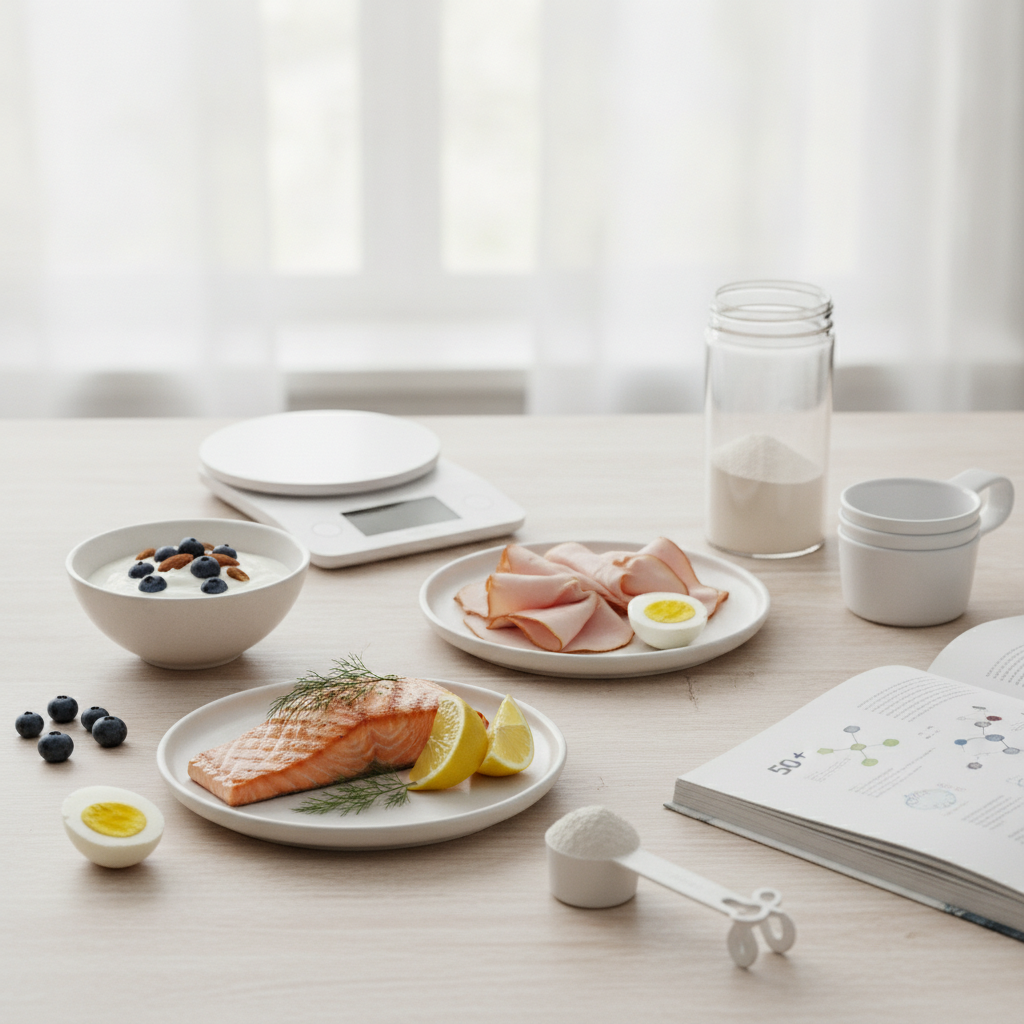
For adults navigating the complexities of aging, understanding how much protein do you need after 50 is a foundational aspect of maintaining health and vitality. Protein, a macronutrient composed of amino acids, is essential for muscle repair, immune function, hormone production, and bone health. As we age, physiological changes necessitate a reevaluation of dietary protein intake to counteract challenges like sarcopenia and anabolic resistance, making strategic protein consumption a critical pillar of healthy aging.
As a dedicated Nutrition and Wellness Expert with HealthyMealPlate.com, Emily Carter frequently observes a common oversight in the dietary habits of adults over 50: an underestimation of their evolving protein needs. While general recommendations exist, the physiological shifts associated with aging demand a more precise and strategic approach to protein consumption. This comprehensive guide will delve into the critical role of protein in later life, challenging conventional wisdom and providing actionable, data-driven strategies for optimizing your intake.
The term "Protein Paradox" describes the phenomenon where, despite a general decrease in caloric needs with age, the relative need for protein increases significantly. This is primarily due to several age-related physiological changes that impact how the body processes and utilizes protein. Understanding these changes is crucial for appreciating why a proactive approach to protein intake is non-negotiable for vibrant aging.
Sarcopenia is the progressive and generalized loss of skeletal muscle mass and strength that occurs with aging. It typically begins around age 40 and accelerates after 60, with adults losing an average of 3-8% of their muscle mass per decade (Source: National Institute on Aging, 2021). This loss is not merely cosmetic; it significantly impairs physical function, increases the risk of falls and fractures, reduces quality of life, and is associated with higher mortality rates. Adequate protein intake, especially when combined with resistance exercise, is the primary nutritional defense against sarcopenia.
The mechanisms underlying sarcopenia are multifactorial, involving hormonal changes, increased inflammation, and a reduced capacity for muscle protein synthesis (MPS). Dietary protein provides the essential amino acid building blocks necessary for MPS. Without sufficient intake, particularly of leucine, the body struggles to repair and rebuild muscle tissue, leading to a net loss over time. This becomes even more pronounced in periods of illness or inactivity.
One of the most significant physiological shifts in older adults is the development of "anabolic resistance." This means that the muscles of older individuals require a larger dose of protein, or more specifically, a higher threshold of essential amino acids (EAAs) and leucine, to stimulate muscle protein synthesis to the same extent as younger individuals (Source: Journal of Nutrition, 2016). For example, a younger adult might achieve maximal MPS with 20-25 grams of high-quality protein, while an older adult may need 30-40 grams per meal to elicit a similar response.
This phenomenon directly challenges the adequacy of the standard RDA for protein, which does not account for this age-related inefficiency. Emily Carter emphasizes that simply meeting the minimum is insufficient; older adults must actively consume more protein per meal to overcome anabolic resistance and preserve muscle mass effectively. This increased demand is a key driver for the higher protein recommendations we advocate.
While muscle preservation is a primary concern, protein's benefits extend far beyond. It plays a crucial role in bone health, where approximately 50% of bone volume and one-third of bone mass are composed of protein (Source: International Osteoporosis Foundation, 2019). Adequate protein intake is associated with higher bone mineral density and reduced fracture risk, particularly in combination with calcium and vitamin D.
Furthermore, protein is fundamental to a robust immune system. Antibodies, enzymes, and many immune cells are made of protein. As immune function can decline with age (immunosenescence), sufficient protein intake becomes even more vital for fighting off infections and supporting recovery from illness. Research indicates that older adults with lower protein intake often exhibit impaired immune responses and are more susceptible to infections (Source: American Society for Nutrition, 2022).
Protein also contributes significantly to satiety, helping with weight management by reducing overall calorie intake and preserving lean muscle mass during weight loss. For individuals managing blood sugar, a higher protein intake can help stabilize glucose levels by slowing digestion and reducing the glycemic response to meals.
The current Recommended Dietary Allowance (RDA) for protein in adults is 0.8 grams per kilogram of body weight per day (g/kg/day). This recommendation was established primarily to prevent deficiency in the majority of the healthy population. However, for adults over 50, this level is increasingly recognized by nutrition science as inadequate for optimizing health outcomes related to muscle, bone, and immune function (Source: European Society for Clinical Nutrition and Metabolism, 2018). It represents a baseline for survival, not a target for thriving.
Emily Carter's perspective, aligned with leading research, posits that the RDA fails to account for anabolic resistance and the increased need for protein to mitigate age-related physiological decline. Relying solely on the RDA often leads to suboptimal protein intake, inadvertently accelerating muscle loss and diminishing resilience in older adults. This is the core of the "Protein Paradox"—what's considered sufficient for a younger adult or to prevent overt deficiency is often insufficient for robust aging.
Moving beyond the minimum, determining your optimal protein intake requires a personalized approach. While the RDA provides a starting point, a more appropriate target for adults over 50 generally falls within a higher range, reflecting their unique physiological demands. This section will guide you through understanding these recommendations and calculating your individual needs.
For most healthy adults over 50, even those who are sedentary, a protein intake of 1.0 to 1.2 g/kg/day is recommended to effectively counteract sarcopenia and support overall health (Source: International Society of Sports Nutrition, 2017). This represents a significant increase over the standard RDA. For example, a 70 kg (154 lb) individual would aim for 70-84 grams of protein daily, rather than the RDA's 56 grams.
For older adults who are regularly active, engaging in resistance training, or participating in strenuous physical activity, the recommendations increase further. An intake of 1.2 to 1.6 g/kg/day is generally advised to support muscle repair, growth, and recovery (Source: ISSN, 2017). Elite older athletes or those with very high training volumes might even benefit from up to 2.0 g/kg/day for short periods, though this should be discussed with a healthcare provider.
Calculating your individual protein requirements involves a simple formula based on your body weight. First, convert your weight from pounds to kilograms by dividing by 2.2. Then, multiply your weight in kilograms by the recommended protein range (e.g., 1.0 to 1.6 g/kg/day).
Determine Your Weight in Kilograms: If you weigh 160 lbs, divide by 2.2 = 72.7 kg.
Apply the Recommended Range:
For general health/sedentary: 72.7 kg * 1.0 g/kg = 72.7 grams per day.
For active/resistance training: 72.7 kg * 1.6 g/kg = 116.3 grams per day.
This calculation provides a personalized target range, allowing you to tailor your diet more precisely than generic recommendations. For many, this calculation will reveal a significantly higher protein need than they previously assumed, reinforcing the unique stance of HealthyMealPlate.com regarding the "Protein Paradox."
Certain chronic health conditions or periods of recovery from illness, injury, or surgery can further elevate protein requirements for adults over 50. During these times, the body's demand for amino acids dramatically increases for tissue repair, immune response, and prevention of muscle catabolism. For instance, individuals recovering from surgery or severe illness may require 1.5 to 2.0 g/kg/day, or even higher in some clinical settings, under medical supervision (Source: American Society for Parenteral and Enteral Nutrition, 2016).
Conditions like diabetes, chronic obstructive pulmonary disease (COPD), or cancer can also increase protein turnover and muscle wasting, necessitating higher intakes. However, for individuals with pre-existing kidney disease, protein intake may need to be carefully managed under the guidance of a nephrologist and registered dietitian. It is crucial to consult with a healthcare professional to adjust protein targets based on specific medical conditions.
While g/kg is the most accurate way to calculate, many find it easier to work with absolute gram targets. For an average adult over 50 weighing 150-180 lbs (68-82 kg), the optimal daily protein intake would typically fall between 70 grams (for less active) and 130 grams (for very active individuals). These are not rigid numbers but rather practical benchmarks to aim for. The key is consistency and gradual increases if you are currently below these targets.
Emily Carter advises that focusing on hitting a minimum of 25-30 grams of protein per meal, across at least three meals, is a simpler way to ensure adequate total daily intake and supports the principle of protein pacing. This strategy helps distribute protein effectively, maximizing its anabolic effects throughout the day rather than concentrating it in one or two large meals.
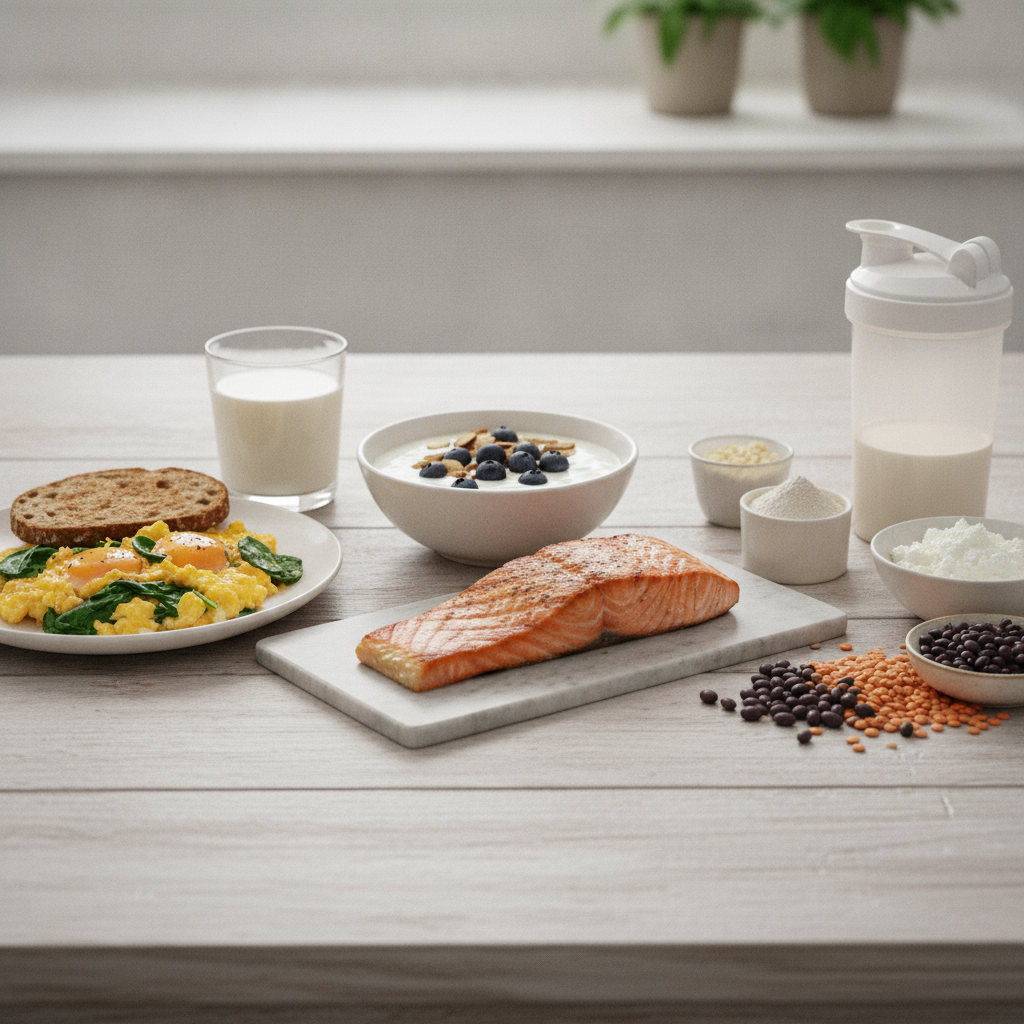
Simply consuming enough protein throughout the day is a critical first step, but how you distribute that protein is equally important, especially for adults over 50. This concept, known as "protein pacing" or "protein distribution," is a cornerstone of our unique approach at HealthyMealPlate.com. It's about optimizing the timing and quantity of protein intake to maximize its benefits, particularly for muscle protein synthesis.
Research indicates that muscle protein synthesis (MPS) is maximally stimulated when a sufficient amount of essential amino acids, particularly leucine, is consumed in a single sitting (Source: The American Journal of Clinical Nutrition, 2009). For older adults, due to anabolic resistance, this threshold is higher. If you consume all your protein in one large meal, or unevenly throughout the day, you may not be optimally stimulating MPS at other times, leading to missed opportunities for muscle repair and growth.
Protein pacing involves distributing your total daily protein intake relatively evenly across multiple meals and snacks, typically 3-5 eating occasions. This ensures that your body receives regular "pulses" of amino acids, consistently signaling muscle tissue to build and repair. This strategy is significantly more effective for preserving and building muscle mass in older adults than consuming the same total amount of protein in an uneven pattern (Source: Journal of Gerontology: Medical Sciences, 2014).
For older adults, aiming for approximately 25-40 grams of high-quality protein at each main meal (breakfast, lunch, and dinner) is an excellent target. This amount is generally sufficient to overcome anabolic resistance and maximally stimulate MPS (Source: Nutrients, 2014). For those with higher overall protein needs, incorporating 15-25 gram protein-rich snacks between meals or before bed can further enhance total intake and muscle support.
Breakfast is often the most protein-deficient meal for many individuals, yet it represents a crucial opportunity to kickstart MPS after an overnight fast. Emily Carter often advises clients to prioritize protein at breakfast to set a strong anabolic tone for the day. Delaying significant protein intake until lunch or dinner means prolonged periods without effective MPS stimulation, contributing to a net negative protein balance over 24 hours.
Implementing protein pacing can be straightforward with a little planning. Here are examples for a daily target of 90-120 grams of protein:
Option 1 (3 main meals):
Breakfast: 30-40g (e.g., Greek yogurt with berries and nuts, eggs with whole-wheat toast)
Lunch: 30-40g (e.g., large salad with grilled chicken or salmon, lentil soup with whole-grain bread)
Dinner: 30-40g (e.g., lean steak with roasted vegetables, tofu stir-fry with brown rice)
Option 2 (3 meals + 1 snack):
Breakfast: 25-30g
Lunch: 25-30g
Afternoon Snack: 15-20g (e.g., cottage cheese, protein shake, handful of almonds)
Dinner: 25-30g
This strategic distribution ensures consistent amino acid availability, optimizing the body's ability to maintain and build muscle mass throughout the day, a key aspect of preventing sarcopenia and enhancing vitality after 50.
Achieving optimal protein intake and effective protein pacing requires a thoughtful selection of protein-rich foods. The quality of protein sources matters significantly, as different foods offer varying amino acid profiles and bioavailability. This section explores the best protein choices, both animal and plant-based, and considers the role of supplements.
Proteins are made up of 20 different amino acids, nine of which are considered "essential" because the body cannot produce them and must obtain them from the diet. A "complete protein" source contains all nine essential amino acids in sufficient quantities. Most animal proteins (meat, poultry, fish, eggs, dairy) are complete proteins. Plant-based proteins are often "incomplete," meaning they lack one or more essential amino acids, or have them in very small amounts.
However, this does not mean plant-based diets cannot provide complete protein. By consuming a variety of plant-based protein sources throughout the day (e.g., combining legumes with grains), individuals can easily obtain all essential amino acids. For adults over 50, prioritizing complete protein sources or carefully combining plant proteins is particularly important to ensure optimal muscle protein synthesis and counteract anabolic resistance.
Animal proteins are highly bioavailable and provide all essential amino acids, making them excellent choices for older adults. Here are some of the best options:
Lean Meats: Chicken breast, turkey, lean beef (sirloin, round), pork loin. (Approx. 25-30g protein per 3-4 oz serving)
Fish and Seafood: Salmon, tuna, cod, shrimp, sardines. Rich in omega-3 fatty acids, which have anti-inflammatory benefits. (Approx. 20-25g protein per 3-4 oz serving)
Eggs: A versatile and cost-effective complete protein source. (Approx. 6g protein per large egg)
Dairy Products: Greek yogurt, cottage cheese, milk, whey protein. Greek yogurt offers 15-20g protein per 5-6 oz serving, making it an excellent snack or breakfast option for protein pacing.
These sources are nutrient-dense and provide other crucial vitamins and minerals like iron, B12, and zinc, which are often vital for older adults. When choosing animal proteins, opt for leaner cuts and diverse selections to maximize nutritional benefits and minimize saturated fat intake.
For those following vegetarian or vegan diets, or simply looking to diversify their protein sources, numerous plant-based options can effectively meet protein needs, especially when thoughtfully combined.
Legumes: Lentils, chickpeas, black beans, kidney beans. (Approx. 7-9g protein per half-cup cooked)
Soy Products: Tofu, tempeh, edamame. These are unique among plant proteins as they are complete proteins. (Tofu: 10g protein per half-cup; Tempeh: 15g protein per half-cup)
Quinoa: A complete grain, providing all essential amino acids. (Approx. 8g protein per cup cooked)
Nuts and Seeds: Almonds, walnuts, chia seeds, flax seeds, pumpkin seeds. Also provide healthy fats and fiber. (Approx. 5-7g protein per ¼ cup)
Seitan: Made from wheat gluten, it's very high in protein. (Approx. 20-25g protein per 3 oz serving)
Nutritional Yeast: A cheesy-flavored seasoning, also a complete protein. (Approx. 8g protein per 2 tbsp)
Combining plant proteins like rice and beans, or hummus and whole-wheat pita, ensures a complete amino acid profile throughout the day. Emily Carter emphasizes that with careful planning, plant-based diets can fully support optimal protein intake for older adults, and HealthyMealPlate.com offers a wealth of plant-forward recipes to facilitate this.
While whole foods should always be the primary source of protein, supplements can play a valuable role for adults over 50, particularly when dietary intake is insufficient or convenience is a major factor. They are not a replacement for balanced meals but rather a tool to help bridge nutritional gaps.
Whey Protein: A fast-digesting, complete protein derived from milk, rich in leucine. Excellent for post-workout recovery or as a quick meal booster.
Casein Protein: Also milk-derived, but slow-digesting, providing a sustained release of amino acids. Ideal before bed to support overnight muscle repair.
Plant-Based Protein Powders: Pea, rice, soy, or a blend. Look for blends that ensure a complete amino acid profile. Good for those with dairy allergies or following vegan diets.
When choosing a supplement, look for third-party tested products (e.g., NSF Certified for Sport) to ensure purity and label accuracy. Incorporate supplements strategically—for example, a protein shake for breakfast, as an afternoon snack, or after exercise, to help achieve daily protein targets and support protein pacing. A typical serving of protein powder provides 20-30 grams of protein.
The core principle of protein pacing is to ensure a substantial protein component in every eating occasion. This requires a shift in mindset from protein as an 'add-on' to a central element of meal planning. For example, instead of just oatmeal for breakfast, add Greek yogurt and nuts. Instead of a plain sandwich, fill it with lean turkey and cheese. Dinner should always feature a significant protein source, paired with vegetables and complex carbohydrates.
Emily Carter advises clients to think of protein as the anchor for each meal. This not only helps meet quantitative protein goals but also enhances satiety, stabilizes blood sugar, and provides a steady supply of amino acids for continuous muscle repair and synthesis. Even small additions, such as a tablespoon of seeds to a smoothie or a hard-boiled egg with a piece of fruit, contribute significantly over the course of the day.
Implementing higher, strategically-paced protein intake might seem daunting, but with practical strategies, it becomes an achievable and sustainable part of a healthy lifestyle. It's also important to address common myths and concerns associated with increased protein consumption, particularly for older adults.
Effective meal planning is the cornerstone of consistent protein pacing. This involves not just thinking about what to eat, but when and how much. Here are key strategies:
Plan Protein First: When designing meals, start by selecting your protein source, then build around it with vegetables and complex carbohydrates. Aim for 25-40g per main meal.
Batch Cooking: Prepare larger quantities of protein sources like grilled chicken, hard-boiled eggs, or cooked legumes at the beginning of the week. This makes quick, protein-rich additions to meals and snacks easy.
Protein-Rich Breakfasts: Replace low-protein breakfasts with options like Greek yogurt with nuts, eggs, cottage cheese, or a protein smoothie. This sets a strong anabolic tone for the day.
Smart Snacking: Opt for snacks that contain at least 10-15 grams of protein. Examples include a handful of almonds, a mini-container of cottage cheese, a hard-boiled egg, or a slice of turkey.
Utilize Leftovers: Cook extra protein at dinner to use for lunch the next day, such as leftover salmon in a salad or chicken in a wrap.
These proactive steps ensure that protein isn't an afterthought but an integral component of your daily eating pattern, supporting consistent muscle protein synthesis throughout the day.
While focusing on protein, it's crucial not to neglect other vital dietary components. Adequate hydration is essential, especially with higher protein intake, as protein metabolism produces nitrogenous waste products that the kidneys filter. Sufficient water intake supports kidney function and helps prevent constipation, which can sometimes be an issue with increased protein and reduced fiber intake.
Fiber-rich foods, such as fruits, vegetables, whole grains, and legumes, are also critical. They provide essential vitamins, minerals, and antioxidants, promote digestive health, and contribute to satiety. Many excellent protein sources (like legumes and whole grains) are also high in fiber, creating a synergistic effect that supports overall health and nutrient absorption. Emily Carter emphasizes a holistic approach where protein works in concert with other nutrients.
A common concern among older adults, and healthcare professionals, regarding higher protein intake is its potential impact on kidney health. However, extensive research has consistently demonstrated that a high-protein diet does not cause kidney damage in healthy individuals (Source: American Society of Nephrology, 2018). The misconception largely stems from studies on individuals with pre-existing chronic kidney disease (CKD), where protein restriction is often necessary to reduce the burden on impaired kidneys.
For individuals with healthy kidneys, the body is well-equipped to process higher protein loads. In fact, adequate protein intake is crucial for maintaining muscle mass and function, which are important for overall health and longevity, even in older adults. If you have any pre-existing kidney conditions, it is imperative to consult with a doctor or a registered dietitian who specializes in renal nutrition to determine an appropriate and safe protein intake tailored to your specific health status.
Another concern can be the perceived cost of a high-protein diet. While some premium protein sources can be expensive, many affordable options exist. Eggs, canned tuna or salmon, dried beans and lentils, cottage cheese, and store-brand Greek yogurt are all excellent, budget-friendly protein sources. Batch cooking and meal prepping can also reduce food waste and save money in the long run.
Focusing on whole, unprocessed protein sources often proves more cost-effective than relying heavily on processed foods or expensive supplements. Emily Carter frequently works with clients to identify affordable, nutrient-dense protein options that fit within their budget, demonstrating that optimal nutrition doesn't have to break the bank. Planning ahead, buying in bulk, and utilizing sales are practical ways to manage costs effectively.
At HealthyMealPlate.com, our mission is to make healthy eating accessible and enjoyable, especially for adults managing their health and diet. Our free meal planner and extensive recipe database are specifically designed to help you implement the principles of optimal protein intake and strategic protein pacing without the hassle of complex calculations or repetitive meal preparation.
Our meal planner is an invaluable tool for ensuring you meet your personalized protein targets. You can input your dietary preferences (e.g., vegetarian, omnivore), exclude certain ingredients, and select meal types, and the planner will generate a week's worth of balanced meals and a corresponding grocery list. This takes the guesswork out of meal preparation and helps you consistently incorporate protein-rich foods into every meal and snack.
For instance, if your goal is to consume 30 grams of protein at breakfast, the planner can suggest recipes like a high-protein breakfast burrito, Greek yogurt parfaits with added nuts and seeds, or scrambled eggs with lean sausage. This customization capability directly supports the implementation of protein pacing, ensuring that your meals are not only delicious but also nutritionally optimized for your age and health goals.
HealthyMealPlate.com offers a vast collection of recipes categorized by meal type, dietary need, and even main ingredient. Many recipes are specifically designed to be protein-forward, making it easy to find dishes that contribute significantly to your daily protein goals. From lean protein dinners to high-protein snacks, our database provides diverse and flavorful options that prevent mealtime monotony.
Emily Carter and the HealthyMealPlate team continually develop recipes that prioritize whole foods, balanced nutrition, and practical preparation. This means you can discover new, exciting ways to enjoy protein-rich ingredients, ensuring your optimal protein intake becomes a sustainable and enjoyable part of your routine. The integration of a grocery list directly from your meal plan further streamlines the process, saving you time and effort.
While HealthyMealPlate.com focuses on practical meal planning, understanding your actual intake can be beneficial. Our platform, or a simple food diary, can help you track your protein consumption for a few days to see how close you are to your individualized targets. If you consistently fall short, you can easily adjust your meal plan within the HealthyMealPlate system, adding more protein-rich snacks or increasing portion sizes of protein sources in your main meals.
This iterative process of planning, eating, and reviewing allows for continuous optimization of your diet. Emily Carter encourages users to view their nutrition as an evolving journey, where tools like HealthyMealPlate.com empower them to make informed and effective dietary choices that support long-term health and vitality after 50.
For adults over 50, protein is far more than just a muscle builder; it is a critical macronutrient that acts as a cornerstone for vibrant aging, influencing everything from physical strength and bone density to immune resilience and metabolic health. The "Protein Paradox" highlights that standard protein recommendations are often insufficient to meet the heightened physiological demands of older adults, necessitating a higher, more strategic intake.
By embracing personalized protein targets—typically 1.0-1.6 g/kg/day—and adopting the principle of strategic protein pacing, older adults can effectively combat sarcopenia, overcome anabolic resistance, and unlock a powerful nutritional lever for enhanced well-being. Emily Carter and HealthyMealPlate.com empower you with the knowledge and practical tools to make these crucial dietary shifts, transforming complex nutritional science into actionable, enjoyable meal plans.
Take control of your health journey today by re-evaluating your protein intake. Utilize the free meal planner at HealthyMealPlate.com to effortlessly integrate protein-rich, balanced meals into your daily routine, ensuring you not only meet but exceed your nutritional needs for a strong, healthy, and energetic life after 50. Your proactive approach to protein will be one of the most impactful investments you make in your long-term health.
For many 60-year-olds, 100g of protein can be sufficient, especially if they weigh around 150-180 lbs and are moderately active. However, individual needs vary based on body weight, activity level, and health goals. Active individuals or those aiming to build muscle might benefit from slightly higher intakes, up to 120-130g.
If an older person doesn't get enough protein, they risk accelerated muscle loss (sarcopenia), decreased strength and mobility, weakened immune function, slower wound healing, and reduced bone density. This can lead to an increased risk of falls, illness, and a diminished quality of life.
For healthy adults over 50 without kidney disease, there is generally no established maximum protein intake, with studies showing benefits up to 2.0 g/kg/day or even higher for athletes. The body is well-equipped to handle higher protein loads. However, for most, 1.0-1.6 g/kg/day is a practical and effective optimal range.
Emily Carter is a dedicated nutritionist passionate about making healthy eating accessible and enjoyable for everyone. With a background in dietetics, she excels at translating complex nutrition science into easy-to-understand advice that fits into everyday life. Emily focuses on creating sustainable meal plans that prioritize whole foods and balance, catering to a wide range of dietary needs and preferences.
This article is for general education and is not individualized medical advice. Speak with a qualified healthcare professional about your individual needs.
Yes, protein can significantly aid weight loss after 50. It increases satiety, helping you feel fuller for longer and reducing overall calorie intake. Additionally, a higher protein intake helps preserve lean muscle mass during weight loss, which is crucial for maintaining metabolism and preventing sarcopenia.
Yes, plant-based proteins can be entirely sufficient for older adults, provided a variety of sources are consumed to ensure all essential amino acids are obtained. Soy products (tofu, tempeh) are complete proteins, while combining legumes with grains (e.g., rice and beans) throughout the day ensures a comprehensive amino acid profile.