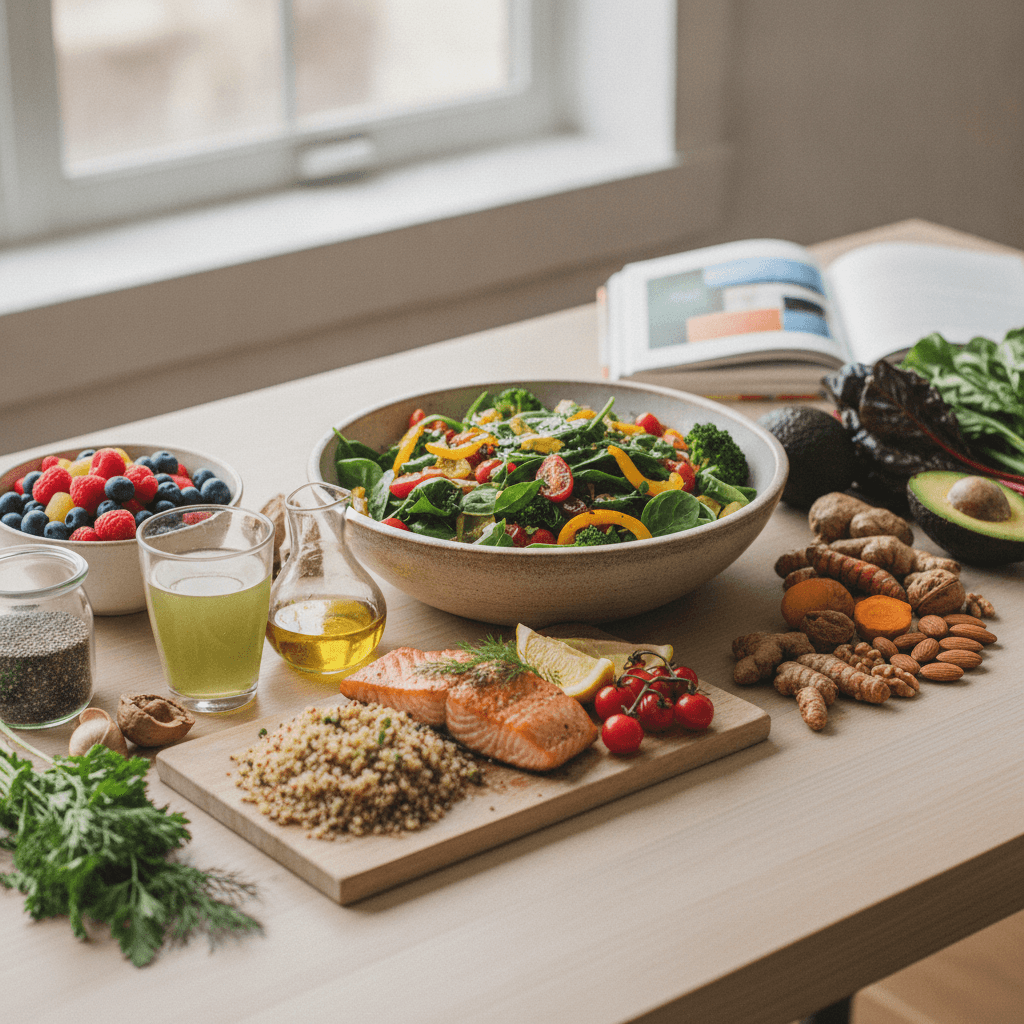
Unlock the power of an anti-inflammatory diet with this comprehensive guide for beginners, offering practical steps and meal planning strategies for lasting health.
Emily CarterNutrition and Wellness ExpertAugust 17, 2026
An anti-inflammatory diet for beginners is a dietary pattern focused on eating whole, unprocessed foods like fruits, vegetables, healthy fats, and lean proteins, while minimizing inflammatory triggers such as refined sugars and processed foods. This approach helps reduce chronic inflammation in the body, promoting overall health and preventing chronic diseases through practical, sustainable eating habits.
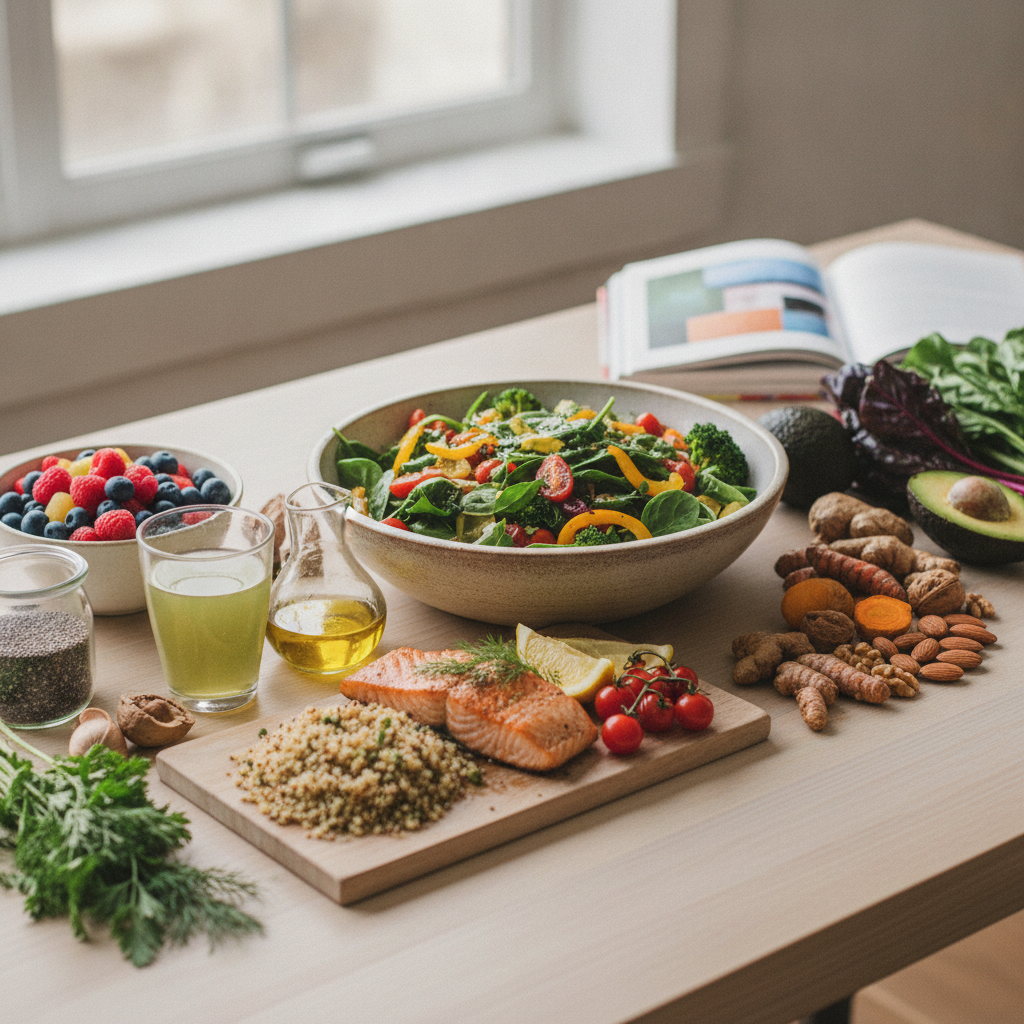
An anti-inflammatory diet for beginners is a dietary approach focused on consuming foods that reduce chronic inflammation in the body, which is a key factor in many chronic diseases. This guide provides clear, practical steps to help everyday adults seamlessly integrate anti-inflammatory eating into their busy lives, transforming health through strategic food choices and effective meal planning.
As a nutritionist dedicated to making healthy eating accessible, I, Emily Carter, understand the challenges everyday adults face when trying to adopt new dietary habits. Many people believe an anti-inflammatory diet is restrictive, expensive, or too complicated for their busy schedules. However, based on working with countless families, I've found that the biggest barrier isn't the diet itself, but rather the lack of a structured, practical approach to meal planning and preparation. This guide will dismantle those misconceptions, offering a definitive pathway to an anti-inflammatory lifestyle that is both sustainable and profoundly beneficial for your health.
Inflammation is a natural and vital part of the body's immune response, designed to protect us from infection and injury. When you cut your finger or catch a cold, acute inflammation kicks in, sending immune cells to the affected area to heal and fight off pathogens. This short-term response is beneficial and necessary for survival. However, the problem arises when inflammation becomes chronic, lingering in the body for months or even years.
Chronic inflammation is a sustained, low-grade inflammatory response that continues to send out inflammatory cells even when there is no immediate threat. This persistent activation can gradually damage healthy tissues, organs, and cells. Unlike acute inflammation, which is often visible through redness, swelling, and pain, chronic inflammation can be largely silent, slowly eroding health without obvious symptoms until significant damage has occurred.
Factors contributing to chronic inflammation include poor diet, lack of physical activity, chronic stress, smoking, excessive alcohol consumption, and environmental toxins. Research indicates that approximately 60% of deaths worldwide are attributable to inflammatory diseases (Source: National Institutes of Health, 2014). This statistic underscores the pervasive and serious nature of chronic inflammation.
The insidious nature of chronic inflammation lies in its broad impact on nearly every system in the body. It is not merely a symptom but a root cause or exacerbating factor for a vast array of chronic conditions. For instance, chronic inflammation plays a pivotal role in the development and progression of cardiovascular diseases, where it contributes to plaque buildup in arteries.
Furthermore, conditions like type 2 diabetes are strongly linked to chronic inflammation, which can impair insulin signaling and lead to insulin resistance. Autoimmune diseases, such as rheumatoid arthritis, lupus, and inflammatory bowel disease (IBD), are characterized by the immune system mistakenly attacking healthy tissues, a process driven by chronic inflammation. Even neurodegenerative diseases like Alzheimer's and certain cancers have demonstrated significant inflammatory components (Source: Harvard Health Publishing, 2021).
Beyond these severe conditions, chronic inflammation can manifest in more subtle ways, including persistent fatigue, joint pain, digestive issues, skin problems, and even mood disorders. Recognizing these signs and understanding the underlying mechanism is the first crucial step toward taking control of your health through dietary intervention.
Diet is one of the most powerful tools available to influence the body's inflammatory response. The foods we consume directly impact our gut microbiome, blood sugar levels, oxidative stress, and the production of inflammatory molecules. A diet rich in processed foods, refined sugars, and unhealthy fats can fuel chronic inflammation, while a diet abundant in whole, unprocessed foods, healthy fats, and antioxidants can actively suppress it.
The concept of an anti-inflammatory diet is not a fad; it is rooted in extensive scientific research demonstrating how specific nutrients and food compounds interact with our physiological pathways. By making conscious dietary choices, individuals can significantly reduce their risk of developing chronic diseases and alleviate symptoms associated with existing inflammatory conditions. This proactive approach empowers you to take charge of your well-being, often yielding profound improvements in energy, mood, and overall vitality.
An anti-inflammatory diet is not a strict regimen of calorie counting or deprivation. Instead, it is a holistic approach to eating that prioritizes nutrient-dense foods known for their inflammation-fighting properties. The foundational principles are straightforward, emphasizing balance, variety, and the elimination of common inflammatory triggers. Understanding these principles is key to building a sustainable and effective dietary plan.
The cornerstone of an anti-inflammatory diet is the consumption of whole, unprocessed foods. This means choosing foods in their most natural state, as close to how they are found in nature as possible. Whole foods retain their full spectrum of vitamins, minerals, fiber, and phytonutrients, all of which contribute to reducing inflammation and supporting overall health. Examples include fresh fruits, vegetables, whole grains, nuts, seeds, lean proteins, and healthy fats.
Conversely, highly processed foods often contain refined sugars, unhealthy fats, artificial additives, and excessive sodium, all of which are potent inflammatory agents. By shifting focus from processed items to whole foods, you naturally reduce your exposure to these detrimental ingredients while simultaneously increasing your intake of beneficial compounds. This fundamental principle simplifies food choices and forms the bedrock of an anti-inflammatory lifestyle.
Achieving the right balance of macronutrients—carbohydrates, proteins, and fats—is crucial for an anti-inflammatory diet. This balance helps stabilize blood sugar levels, supports satiety, and provides sustained energy, preventing the inflammatory spikes associated with rapid glucose fluctuations.
Complex Carbohydrates: Prioritize complex carbohydrates from whole grains, legumes, and starchy vegetables. These provide sustained energy and fiber, which supports gut health and regular bowel movements, both vital for managing inflammation.
Lean Proteins: Include adequate lean protein sources to support muscle repair, immune function, and satiety. Plant-based proteins like legumes, nuts, and seeds, along with fish and poultry, are excellent choices.
Healthy Fats: Focus on healthy fats from sources like olive oil, avocados, nuts, and fatty fish. These fats, particularly omega-3s, are renowned for their potent anti-inflammatory effects.
A balanced plate at each meal ensures your body receives the necessary nutrients without over-relying on any single food group. This approach promotes metabolic stability, which is a critical aspect of minimizing systemic inflammation.
Often overlooked, proper hydration is a fundamental component of an anti-inflammatory diet. Water is essential for every bodily function, including nutrient transport, waste elimination, and maintaining the integrity of mucosal linings in the digestive tract. Dehydration, even mild, can contribute to systemic inflammation and impair cellular function.
Aim to drink plenty of pure water throughout the day. Herbal teas, infused water with fruits and vegetables, and even certain broths can also contribute to your daily fluid intake. Limiting sugary drinks, sodas, and excessive caffeine is important, as these can contribute to dehydration and inflammation. Staying well-hydrated ensures your body's systems run efficiently, helping to flush out toxins and maintain a healthy internal environment that is less prone to chronic inflammation.
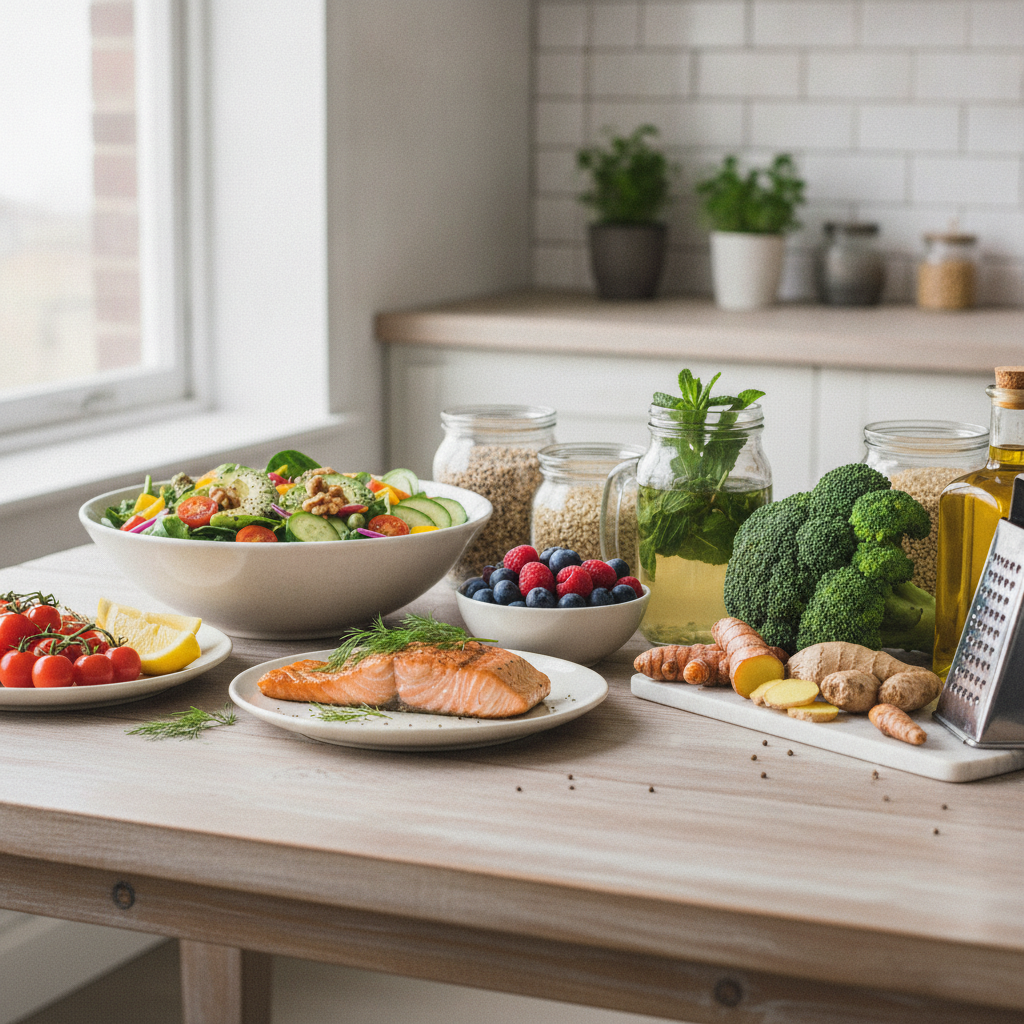
Building an anti-inflammatory diet revolves around embracing a wide variety of nutrient-rich foods. These foods are packed with antioxidants, healthy fats, and other compounds that actively combat inflammation. Incorporating these cornerstone ingredients into your daily meals forms the foundation of a health-promoting eating pattern.
Fruits and vegetables are the heroes of an anti-inflammatory diet, rich in vitamins, minerals, fiber, and potent antioxidants. Antioxidants neutralize free radicals, which are unstable molecules that can cause cellular damage and fuel inflammation. Aim for a colorful array of produce to ensure a broad spectrum of beneficial compounds.
Berries: Blueberries, strawberries, raspberries, and blackberries are exceptionally high in anthocyanins, powerful antioxidants that give them their vibrant hues and robust anti-inflammatory properties.
Leafy Greens: Spinach, kale, collard greens, and Swiss chard are abundant in vitamins A, C, and K, as well as flavonoids and carotenoids, which are vital for reducing inflammation.
Cruciferous Vegetables: Broccoli, cauliflower, Brussels sprouts, and cabbage contain sulforaphane, a compound known for its anti-inflammatory and anti-cancer effects.
Tomatoes: Rich in lycopene, a potent antioxidant, especially when cooked.
Bell Peppers: Excellent source of Vitamin C, a powerful antioxidant.
Aim for at least 5-9 servings of fruits and vegetables daily, prioritizing vegetables at most meals. This high intake provides the necessary phytochemicals to actively dampen inflammatory pathways in the body.
Unlike refined grains, whole grains retain their bran, germ, and endosperm, providing fiber, B vitamins, and minerals. Fiber is crucial for gut health, feeding beneficial gut bacteria and promoting healthy digestion, which in turn reduces systemic inflammation. Legumes are also nutritional powerhouses, offering plant-based protein, fiber, and various micronutrients.
Whole Grains: Oats, quinoa, brown rice, barley, farro, and whole-wheat bread and pasta. These provide sustained energy and help regulate blood sugar, preventing inflammatory spikes.
Legumes: Lentils, chickpeas, black beans, kidney beans, and split peas. They are excellent sources of plant protein and soluble fiber, which can help lower cholesterol and reduce inflammation.
Incorporating these into your diet replaces refined carbohydrates that often trigger inflammation, providing a more stable and nourishing energy source. The fiber content is particularly beneficial for gut microbiome diversity, a key aspect of managing overall inflammatory status (Source: American Society for Microbiology, 2020).
Not all fats are created equal. Healthy fats, particularly those rich in omega-3 fatty acids and monounsaturated fats, are critical for reducing inflammation. They play a significant role in cell membrane integrity and the production of anti-inflammatory signaling molecules.
Fatty Fish: Salmon, mackerel, sardines, and trout are packed with omega-3 fatty acids (EPA and DHA), which are potent anti-inflammatory agents. Aim for at least two servings per week.
Avocados: Rich in monounsaturated fats, fiber, and potassium, avocados support heart health and reduce inflammation.
Nuts and Seeds: Walnuts, almonds, chia seeds, flaxseeds, and hemp seeds provide omega-3s, fiber, and antioxidants. Flaxseeds and chia seeds are especially high in alpha-linolenic acid (ALA), a plant-based omega-3.
Olive Oil: Extra virgin olive oil, a cornerstone of the Mediterranean diet, is high in monounsaturated fats and polyphenols, which have strong anti-inflammatory effects.
These fats contribute to satiety, support brain health, and are integral to a comprehensive anti-inflammatory strategy. Replacing inflammatory fats with these healthy options is a pivotal step in your dietary transformation.
Protein is essential for muscle repair, hormone production, and immune function. Choosing lean, anti-inflammatory protein sources helps provide these benefits without contributing to inflammation.
Fish: As mentioned, fatty fish are excellent. White fish like cod, halibut, and tilapia also offer lean protein.
Poultry: Skinless chicken and turkey are good sources of lean protein.
Plant-Based Proteins: Tofu, tempeh, edamame, and various legumes and nuts offer complete protein profiles.
Eggs: A versatile and complete protein source.
Ensuring adequate protein intake at each meal helps stabilize blood sugar, promotes satiety, and supports the body's repair processes, all of which contribute to an anti-inflammatory environment.
Many common spices and herbs possess powerful anti-inflammatory and antioxidant properties. Incorporating them generously into your cooking not only enhances flavor but also boosts the anti-inflammatory power of your meals.
Turmeric: Contains curcumin, a compound with well-documented anti-inflammatory effects. Pairing it with black pepper significantly enhances its absorption.
Ginger: Known for its anti-inflammatory and anti-nausea properties.
Garlic: Contains sulfur compounds that help reduce inflammation.
Cinnamon: Has antioxidant and anti-inflammatory properties, and can help regulate blood sugar.
Rosemary, Thyme, Oregano, Basil: These herbs are rich in various antioxidant compounds.
These culinary additions are an easy and delicious way to amplify the health benefits of your anti-inflammatory diet, transforming everyday meals into potent wellness boosters. Their use has been culturally ingrained for centuries due to their perceived health benefits, now backed by modern science.
Just as certain foods promote an anti-inflammatory state, others actively fuel inflammation in the body. Identifying and minimizing these inflammatory triggers is as crucial as incorporating beneficial foods. Understanding why these foods are detrimental helps solidify your commitment to a healthier dietary pattern.
Perhaps the most significant contributors to chronic inflammation are highly processed foods and refined sugars. These items are ubiquitous in the modern Western diet and are designed for convenience and palatability, often at the expense of nutritional value.
Refined Sugars: Found in sodas, candies, pastries, and many packaged snacks, refined sugars (like high-fructose corn syrup) rapidly elevate blood glucose levels, leading to an inflammatory response. Excessive sugar intake is directly linked to increased markers of inflammation (Source: American Heart Association, 2021).
Processed Foods: Items like fast food, ready-to-eat meals, and ultra-processed snacks are often laden with unhealthy fats, excessive sodium, artificial ingredients, and preservatives, all of which can trigger and sustain inflammation.
Cutting back on these items is a cornerstone of an anti-inflammatory diet. It requires conscious effort to read labels and choose whole-food alternatives, but the health benefits are profound.
While healthy fats are beneficial, certain fats significantly contribute to inflammation. Understanding the distinction is vital.
Trans Fats: These are industrially produced fats found in many fried foods, baked goods, and some margarines. They are notorious for increasing LDL (bad) cholesterol and promoting systemic inflammation. The U.S. Food and Drug Administration (FDA) has banned artificial trans fats from processed foods due to their severe health risks (Source: FDA, 2018).
Excessive Omega-6 Fatty Acids: While omega-6s are essential, the typical Western diet contains an imbalanced ratio of omega-6 to omega-3 fats, often favoring omega-6s found in vegetable oils like corn, soy, and sunflower oil. This imbalance can promote inflammation. Aim for a better balance by reducing intake of these oils and increasing omega-3s.
Prioritizing monounsaturated and omega-3 rich fats while minimizing trans fats and excessive omega-6s is a critical strategy for reducing dietary inflammation.
While lean proteins are beneficial, certain types of meat can exacerbate inflammation.
Red Meat: While not all red meat is inherently bad, consuming large quantities of red meat, especially processed varieties, has been linked to increased inflammatory markers. The saturated fat content and certain compounds formed during high-heat cooking (e.g., heterocyclic amines, HCAs) can contribute to inflammation.
Processed Meats: Hot dogs, sausages, bacon, and deli meats are often high in saturated fat, sodium, and nitrates, which have been consistently associated with increased risk of chronic diseases and inflammation.
Moderating intake of red meat and strictly limiting processed meats is a recommended component of an anti-inflammatory eating pattern. Opt for lean poultry, fish, and plant-based protein sources more frequently.
Refined grains, such as white bread, white pasta, and white rice, have had the bran and germ removed, stripping them of fiber, vitamins, and minerals. This processing leaves primarily simple carbohydrates that are rapidly digested, leading to quick spikes in blood sugar and insulin, which can trigger inflammatory responses.
The solution is to swap refined grains for their whole-grain counterparts. This simple substitution provides more fiber, helps stabilize blood sugar, and contributes to a healthier gut microbiome, all of which are crucial for reducing inflammation.
While moderate consumption of certain beverages might have some benefits, excessive intake can be pro-inflammatory.
Alcohol: Chronic or excessive alcohol consumption can damage the liver, disrupt gut health, and increase systemic inflammation. While a glass of red wine occasionally might offer antioxidants, moderation is key.
Excessive Caffeine: While coffee offers antioxidants, very high caffeine intake can sometimes disrupt sleep patterns and increase stress hormones, potentially contributing to inflammation in sensitive individuals. Listen to your body and moderate intake.
Focusing on water, herbal teas, and nutrient-rich smoothies is a better strategy for hydration and overall anti-inflammatory support.
Embarking on an anti-inflammatory diet doesn't have to be overwhelming. The most effective approach for beginners is to implement changes gradually, focusing on sustainable habits rather than drastic overhauls. This section provides a step-by-step guide to help you transition smoothly and successfully.
Before making changes, it's beneficial to understand your starting point. For a few days, keep a food diary, noting everything you eat and drink. This exercise provides valuable insight into your current eating patterns, highlighting areas where inflammatory foods might be prevalent and where anti-inflammatory foods are lacking. This self-assessment is not about judgment but about awareness, allowing you to identify realistic and impactful changes.
Instead of trying to overhaul your entire diet overnight, focus on making one or two small, manageable changes each week. This approach builds confidence and allows your taste buds and habits to adjust naturally. For instance, start by swapping your morning sugary cereal for oatmeal with berries and nuts. The next week, replace your afternoon processed snack with a piece of fruit and a handful of almonds. These incremental changes accumulate over time, leading to significant dietary improvements without feeling deprived.
Swap Refined Grains: Replace white bread and pasta with whole-wheat versions, brown rice, or quinoa.
Boost Produce Intake: Add an extra serving of vegetables to dinner, or a piece of fruit as a snack.
Choose Healthy Fats: Use olive oil for cooking instead of vegetable oils, or add avocado to your salads.
Incorporate Anti-Inflammatory Spices: Start adding turmeric, ginger, or garlic to your meals.
Reduce Sugary Drinks: Replace soda or sweetened juices with water, unsweetened tea, or infused water.
A well-stocked pantry and refrigerator are essential for successful anti-inflammatory eating. Take time to clear out inflammatory items and replace them with healthy alternatives. This proactive step ensures that when hunger strikes, you have nutritious options readily available, making healthy choices easier and more convenient.
Consider these pantry staples: whole grains (quinoa, oats, brown rice), a variety of legumes (canned or dried beans, lentils), nuts and seeds, extra virgin olive oil, spices (turmeric, ginger, garlic powder), canned fish (salmon, sardines), and frozen fruits and vegetables. Fresh produce should be prioritized during weekly grocery runs.
Becoming a savvy label reader is a powerful skill for anyone adopting an anti-inflammatory diet. Focus on the ingredient list more than just the calorie count. Look for whole, recognizable ingredients at the top of the list. Be wary of hidden sugars (e.g., corn syrup, dextrose, maltose), hydrogenated or partially hydrogenated oils (trans fats), and artificial colors, flavors, and preservatives. A shorter ingredient list with familiar items is generally a good sign. This knowledge empowers you to make informed decisions and avoid inflammatory traps lurking in packaged foods.
Many people start an anti-inflammatory diet with enthusiasm but quickly become overwhelmed by the perceived complexity or time commitment. As Emily Carter, I've observed that the single biggest determinant of long-term success isn't willpower, but effective planning. A strategic approach to meal planning transforms the anti-inflammatory diet from a temporary challenge into an effortless, sustainable lifestyle, especially for busy individuals and families.
Without a plan, healthy eating often falls victim to convenience. When you're tired or short on time, reaching for takeout or a processed meal becomes the default. Meal planning eliminates this decision fatigue by pre-determining your meals and snacks for the week. This proactive step ensures you have the right ingredients on hand and a clear path to preparing nutritious, anti-inflammatory meals, even on your busiest days. It also helps manage food waste and often leads to significant cost savings.
At HealthyMealPlate, we understand the need for practical tools. Our free meal planner is specifically designed to simplify this process, making an anti-inflammatory diet genuinely accessible for everyone. You can input your family's food preferences, and the planner generates a week of balanced, anti-inflammatory meals along with a consolidated grocery list. This removes the guesswork and hours of planning, allowing you to focus on cooking and enjoying your healthy meals.
Using such a tool not only streamlines the planning phase but also introduces variety, preventing dietary boredom, a common reason for abandoning new eating habits. It's a definitive advantage for those seeking to make an anti-inflammatory diet a permanent fixture in their lives without the added stress of manual meal construction.
Batch cooking involves preparing larger quantities of staple ingredients or entire meals in advance. This strategy drastically reduces daily cooking time and ensures healthy options are always available. Dedicate a few hours one day a week (e.g., Sunday afternoon) to prep. This investment of time pays dividends throughout the busy week.
Cook Grains in Bulk: Prepare a large batch of quinoa or brown rice to use in multiple meals.
Roast Vegetables: Roast a tray of mixed vegetables (broccoli, bell peppers, sweet potatoes) to add to salads, wraps, or as a side dish.
Prepare Protein: Cook chicken breast, bake salmon, or boil a pot of lentils for easy additions to various meals.
Chop Produce: Wash and chop fruits and vegetables for quick snacks or meal components.
Assemble Components: Instead of full meals, prepare components (e.g., salad dressings, sauces, chopped greens) that can be quickly combined.
These strategies provide flexibility while ensuring you always have anti-inflammatory ingredients ready to go, significantly increasing adherence to the diet.
A common misconception is that an anti-inflammatory diet is expensive. In reality, focusing on whole foods can often be more budget-friendly than relying on processed, packaged items. Strategic choices and smart shopping are key.
Buy In-Season Produce: Fruits and vegetables are cheaper and more flavorful when purchased in season.
Utilize Frozen Options: Frozen fruits and vegetables are just as nutritious as fresh and often more affordable, especially when out of season.
Shop Sales and Bulk: Stock up on staples like whole grains, legumes, nuts, and seeds when they are on sale. Buying dried beans and lentils in bulk is particularly cost-effective.
Plan Meals to Reduce Waste: Meal planning minimizes impulse buys and food waste, saving money in the long run.
Prioritize Plant-Based Proteins: Legumes and tofu are significantly cheaper protein sources than meat or fish.
By adopting these budgeting tactics, an anti-inflammatory diet becomes an economically viable and sustainable option for most households, proving that healthy eating doesn't have to break the bank.
Adhering to an anti-inflammatory diet doesn't mean you have to become a social recluse. With a few strategies, you can navigate dining out and social events successfully.
Research Menus: Look up restaurant menus online in advance to identify anti-inflammatory options.
Ask for Modifications: Don't hesitate to ask for dressings on the side, extra vegetables, or grilled instead of fried preparations.
Bring a Dish: If attending a potluck, offer to bring a healthy, anti-inflammatory dish to share.
Mindful Indulgence: If you choose to have an occasional treat, do so mindfully and in moderation, then return to your usual eating pattern. One meal won't undo your progress.
The goal is progress, not perfection. Embrace flexibility and focus on making the best choices possible in any given situation, maintaining a positive relationship with food and social interactions.
To illustrate how an anti-inflammatory diet can be both delicious and practical, here is a sample 7-day meal plan. This plan emphasizes whole foods, healthy fats, lean proteins, and plenty of fruits and vegetables. Remember, this is a template; feel free to customize it based on your preferences and dietary needs, especially using tools like the HealthyMealPlate meal planner.
Breakfast: Oatmeal cooked with water or unsweetened almond milk, topped with a handful of mixed berries, a sprinkle of ground flaxseeds, and a few chopped walnuts.
Lunch: Large mixed green salad with grilled chicken or chickpeas, diverse vegetables (cucumber, bell peppers, shredded carrots), and an olive oil and lemon vinaigrette.
Dinner: Baked salmon with roasted broccoli and a side of quinoa.
Breakfast: Berry smoothie (spinach, mixed berries, unsweetened almond milk, a scoop of plant-based protein powder).
Lunch: Leftover baked salmon and roasted broccoli from Day 1.
Dinner: Lentil soup with a side of whole-grain bread and a small side salad.
Breakfast: Scrambled eggs with spinach and mushrooms, served with a slice of whole-wheat toast and half an avocado.
Lunch: Whole-wheat wrap filled with hummus, sliced turkey or tempeh, and plenty of mixed greens and sliced bell peppers.
Dinner: Chicken stir-fry with a variety of colorful vegetables (broccoli, snap peas, carrots, bell peppers) and brown rice, seasoned with ginger and garlic.
Breakfast: Greek yogurt (plain, unsweetened) with a drizzle of honey, chia seeds, and sliced peaches.
Lunch: Leftover chicken stir-fry from Day 3.
Dinner: Black bean burgers (homemade or high-quality store-bought) on whole-grain buns with lettuce, tomato, and a side of sweet potato fries (baked, not fried).
Breakfast: Whole-grain toast with mashed avocado, a sprinkle of red pepper flakes, and a hard-boiled egg.
Lunch: Quinoa bowl with roasted vegetables (e.g., zucchini, eggplant, cherry tomatoes) and a handful of toasted almonds.
Dinner: Turkey meatballs (homemade with lean ground turkey) in a rich tomato sauce, served over zucchini noodles or whole-wheat pasta.
Breakfast: Smoothie with unsweetened almond milk, spinach, banana, and a tablespoon of ground flaxseeds.
Lunch: Tuna salad (made with olive oil mayonnaise or mashed avocado) on whole-grain crackers with celery sticks.
Dinner: Baked cod with a lemon-herb seasoning, served with a large portion of steamed asparagus and a small baked potato.
Breakfast: Whole-grain pancakes (made with whole wheat flour) topped with fresh fruit and a dollop of plain Greek yogurt.
Lunch: Large mixed green salad with chickpeas, cucumber, tomatoes, olives, and a homemade vinaigrette.
Dinner: Vegetarian chili loaded with beans, tomatoes, corn, and various vegetables, seasoned with chili powder and cumin.
Throughout the week, incorporate healthy, anti-inflammatory snacks to keep hunger at bay and maintain stable blood sugar levels. Good options include a handful of nuts, apple slices with almond butter, plain Greek yogurt with berries, vegetable sticks with hummus, or a small piece of fruit. Remember to drink plenty of water throughout the day, aiming for at least 8 glasses (approximately 64 ounces) to support hydration and cellular function. Herbal teas are also excellent choices.
This meal plan demonstrates the variety and flavor that an anti-inflammatory diet offers. It is adaptable and designed to be practical for busy individuals, ensuring that adherence is achievable and enjoyable. The key is consistency and finding what works best for your lifestyle, utilizing tools like the HealthyMealPlate planner to make the process even smoother.
As individuals embark on their journey with an anti-inflammatory diet, several questions frequently arise. Addressing these common queries helps clarify misconceptions and provides further guidance for successful implementation.
Yes, an anti-inflammatory diet can be highly effective for weight loss. By prioritizing whole, unprocessed foods, lean proteins, healthy fats, and fiber-rich carbohydrates, this eating pattern naturally reduces calorie intake from energy-dense, nutrient-poor foods. The emphasis on satiety-boosting foods helps control appetite and prevents overeating. Furthermore, reducing chronic inflammation can improve metabolic function, which is often hindered by inflammatory processes, thereby supporting healthy weight management.
The timeline for experiencing results from an anti-inflammatory diet varies significantly among individuals. Some people report feeling improvements in energy levels, digestion, and reduced joint pain within a few weeks. For more profound changes, such as significant reductions in inflammatory markers in blood tests, it may take several months of consistent adherence (Source: Cleveland Clinic, 2023). Consistency is the most crucial factor; gradual but steady changes yield the most sustainable and beneficial outcomes.
Yes, the principles of an anti-inflammatory diet are generally beneficial and safe for children, as they emphasize whole, nutrient-dense foods. Focusing on fruits, vegetables, whole grains, lean proteins, and healthy fats is foundational for healthy growth and development. However, it is essential to ensure children receive adequate calories and a broad range of nutrients for their specific growth stages. Consulting with a pediatrician or a registered dietitian specialized in pediatric nutrition is recommended to tailor the diet appropriately for a child's individual needs.
While a whole-food-based anti-inflammatory diet is the primary strategy, certain supplements can complement these efforts. Omega-3 fatty acids (fish oil), curcumin (from turmeric), ginger, and Vitamin D are among the most commonly researched for their anti-inflammatory properties. However, supplements should never replace a healthy diet. It is always advisable to consult with a healthcare professional or a registered dietitian before starting any new supplement regimen to ensure it is appropriate for your individual health status and does not interact with any medications you may be taking.
For most healthy individuals, an anti-inflammatory diet poses very few downsides or risks. It is generally recognized as a healthy and balanced eating pattern. The main challenge often lies in the transition and sustained adherence, particularly for those accustomed to a highly processed diet. Some individuals might initially experience minor digestive changes due to increased fiber intake. People with specific medical conditions (e.g., kidney disease, allergies) or those taking certain medications should always consult their doctor or a dietitian before making significant dietary changes. Overall, the benefits of reducing chronic inflammation far outweigh any potential minor adjustments.
The anti-inflammatory diet is more than just a temporary eating plan; it is a powerful, evidence-based approach to fostering long-term health and preventing chronic disease. By consistently choosing whole, nutrient-dense foods and actively minimizing inflammatory triggers, you empower your body to reduce systemic inflammation, leading to improved energy, reduced pain, better digestion, and an enhanced quality of life. The journey begins with understanding the core principles and making informed choices, but its sustainability hinges on practical application.
Remember that the biggest obstacle for busy adults is often not a lack of desire, but a lack of effective strategy. Tools like the HealthyMealPlate meal planner are invaluable resources that transform the complex task of dietary change into a streamlined, enjoyable process. Embrace gradual transitions, strategic meal planning, and smart shopping, and you will discover that an anti-inflammatory lifestyle is not only achievable but profoundly rewarding. Your commitment to this way of eating is an investment in a healthier, more vibrant future.
The primary goal of an anti-inflammatory diet is to reduce chronic inflammation in the body by emphasizing foods rich in antioxidants, healthy fats, and fiber, while limiting processed foods, refined sugars, and unhealthy fats. This approach helps prevent and manage various chronic diseases.
Highly anti-inflammatory foods include fruits (especially berries), leafy green vegetables, cruciferous vegetables, fatty fish (salmon, mackerel), nuts and seeds (walnuts, chia seeds), olive oil, and spices like turmeric and ginger. These foods are rich in beneficial compounds that combat inflammation.
While moderation is always an option, it is highly recommended to significantly limit or avoid processed foods, refined sugars, trans fats, excessive omega-6 oils, and processed meats. These items are known to actively promote and sustain chronic inflammation in the body.
Emily Carter is a dedicated nutritionist passionate about making healthy eating accessible and enjoyable for everyone. With a background in dietetics, she excels at translating complex nutrition science into easy-to-understand advice that fits into everyday life. Emily focuses on creating sustainable meal plans that prioritize whole foods and balance, catering to a wide range of dietary needs and preferences.
This article is for general education and is not individualized medical advice. Speak with a qualified healthcare professional about your individual needs.
Meal planning is crucial for an anti-inflammatory diet because it ensures consistent access to healthy food choices, reduces decision fatigue, saves time, and helps manage grocery budgets. It prevents reliance on convenient, often inflammatory, processed options, making the diet sustainable for busy lifestyles.
While an anti-inflammatory diet is not a cure, it can significantly help manage symptoms, slow the progression of, and in some cases, put chronic inflammatory conditions into remission. It works by reducing the underlying inflammation that often drives these diseases, improving overall health and well-being. Always consult a healthcare professional for specific medical advice.